To look at a place is simple; to see it, to capture the very rhythm of its breath, is an entirely different discipline. In the bustling warmth of Africa’s landscapes, where the dust catches the afternoon sun just so, and the quiet contradictions of everyday life play out on street corners, images are constantly being written by the cosmos. It takes a specific kind of eye to translate that kinetic energy into a visual language that lingers long after the frame is closed.
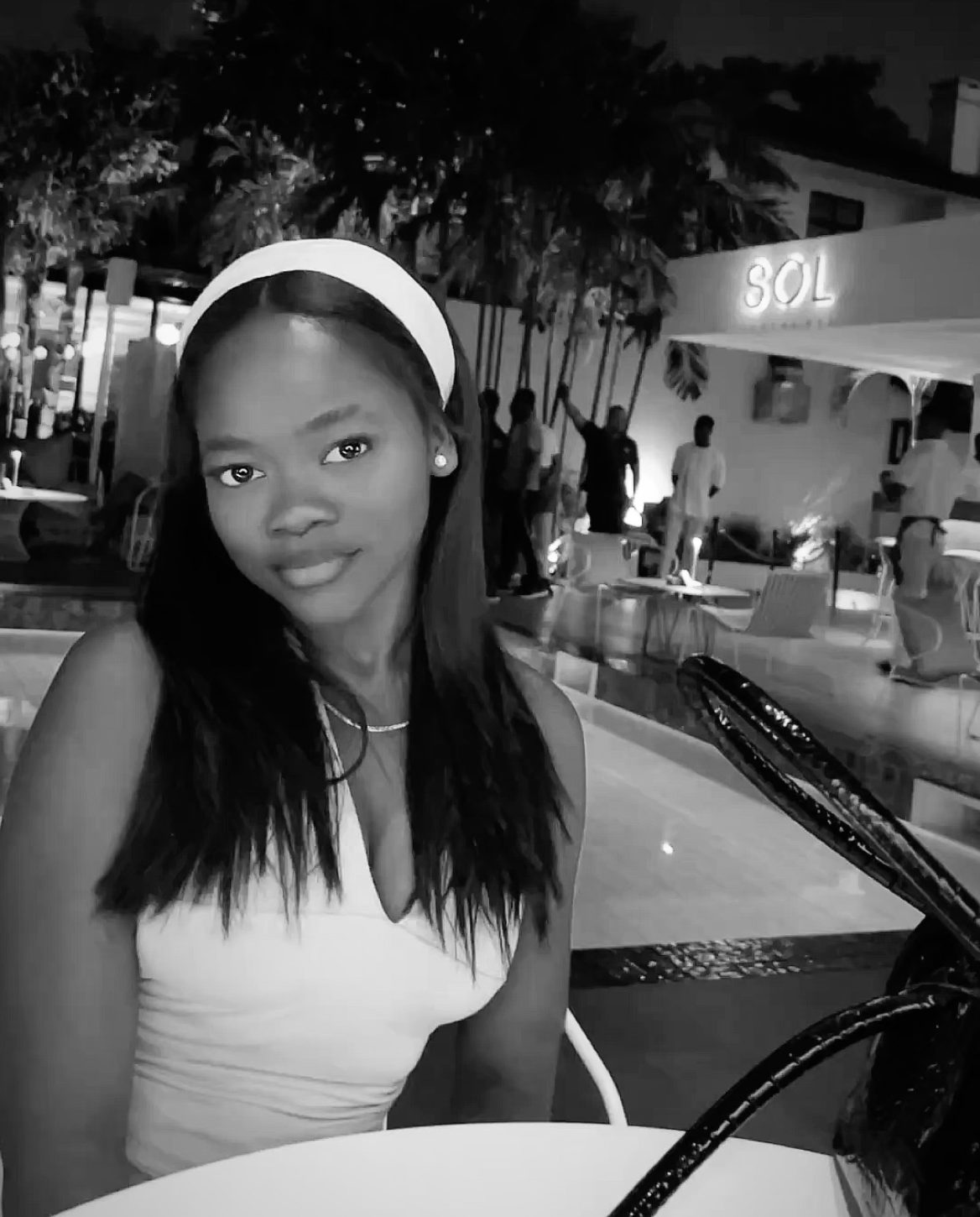
This segment spotlights the world-builders behind the lens; those who do not merely document our reality, but stretch it, color it, and invite us to live inside it. We spotlight the creators whose cameras are tools for deep curiosity, capturing the textures, the light, and the fleeting, beautiful human fragments that define who we are. Leading this vanguard is Erica Aryee.
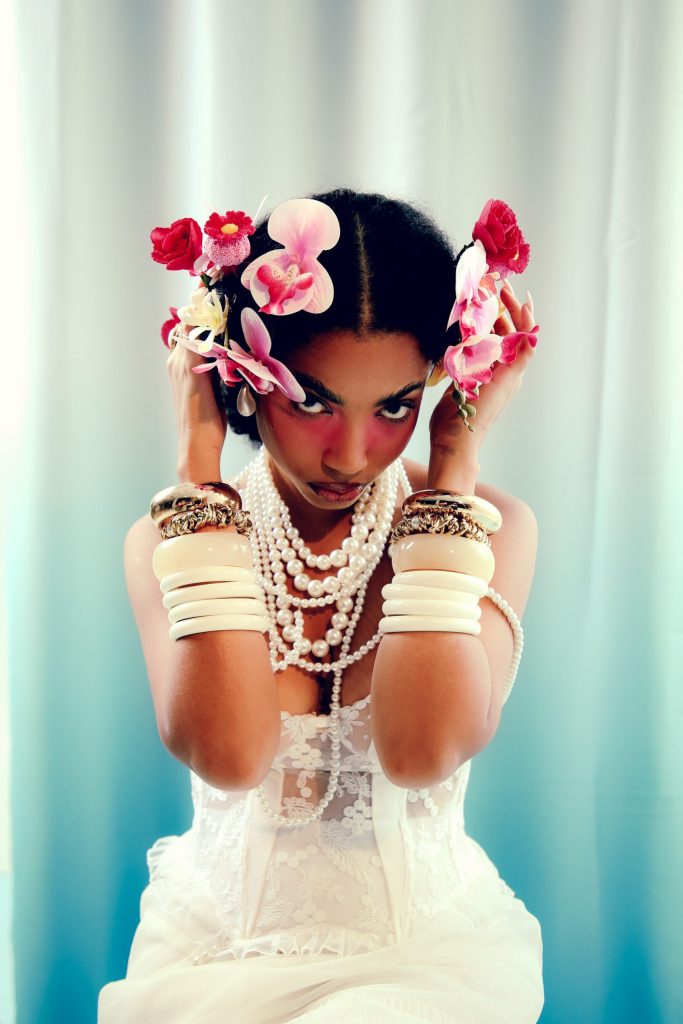
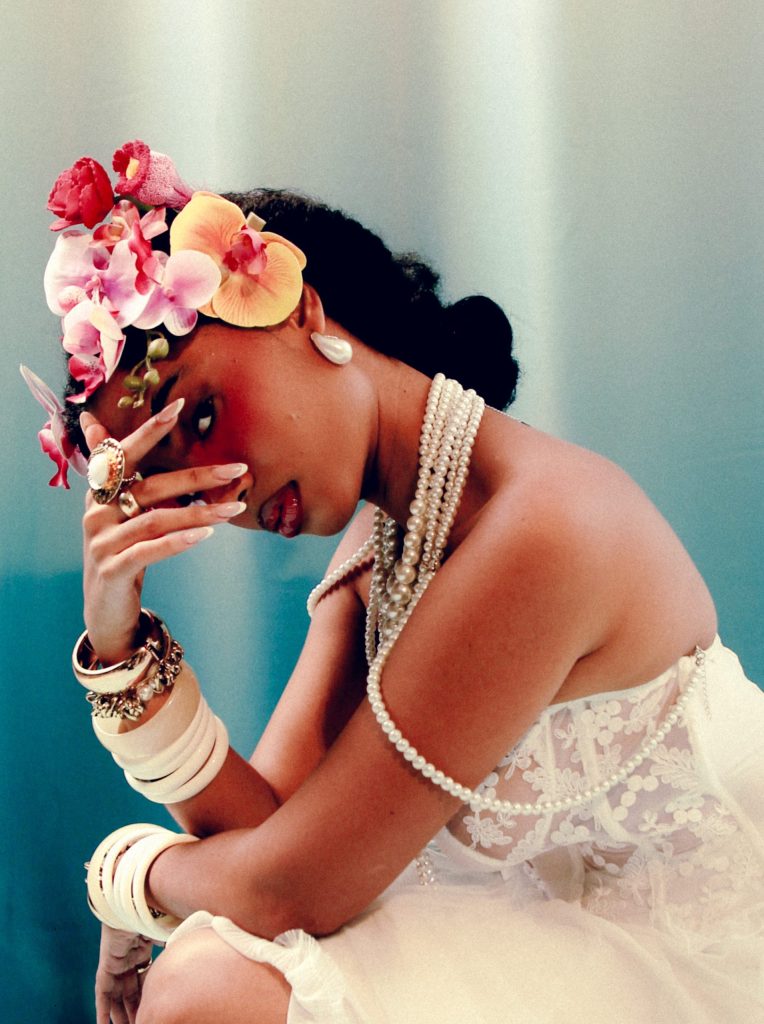
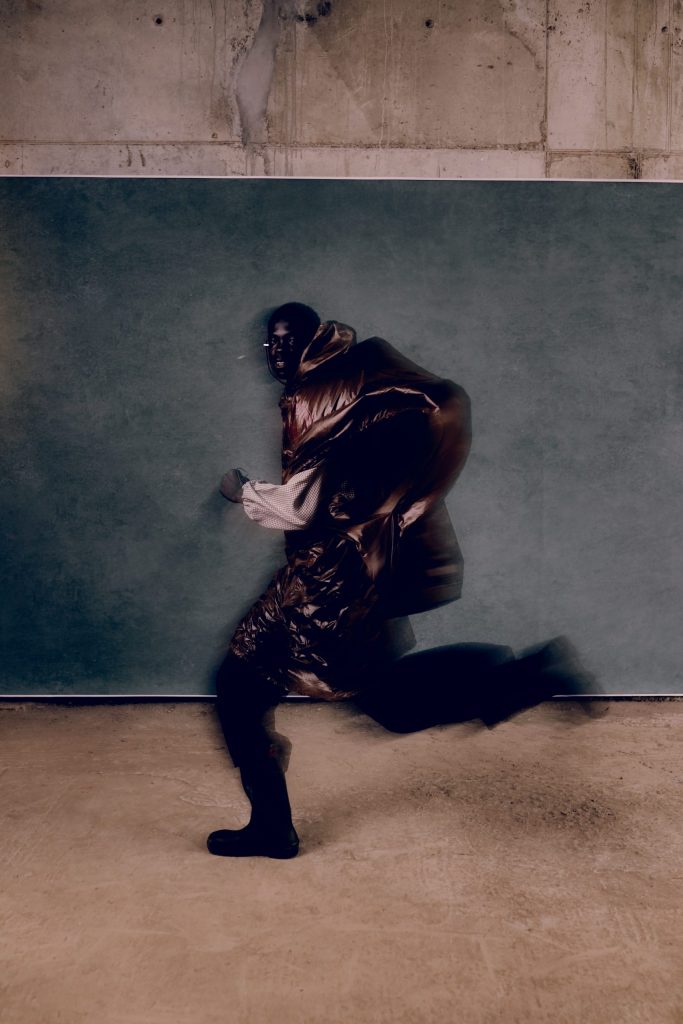
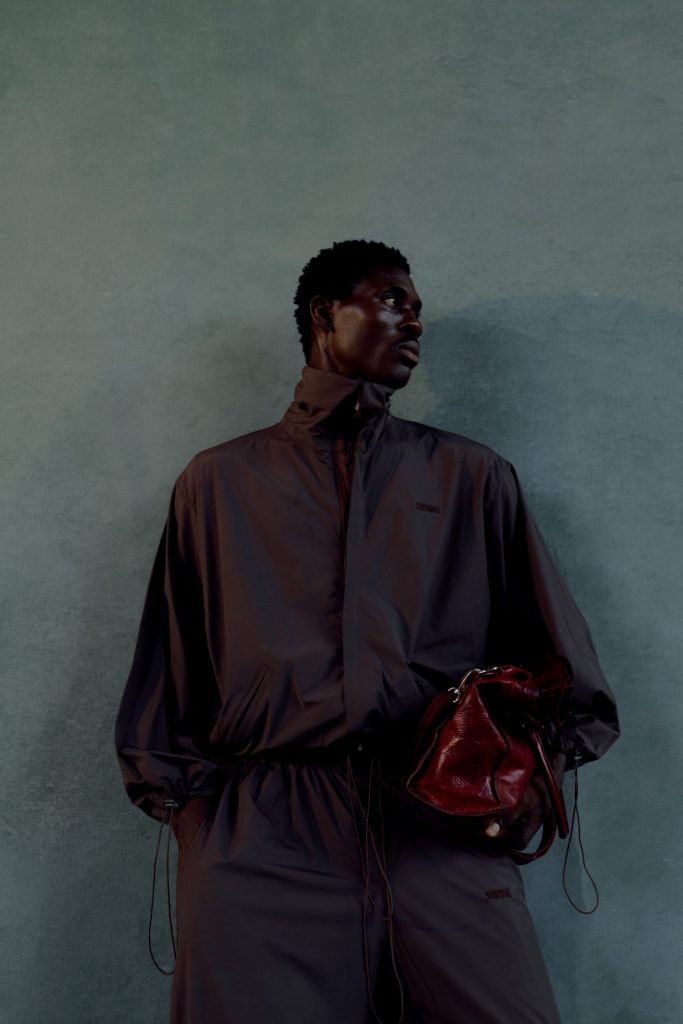
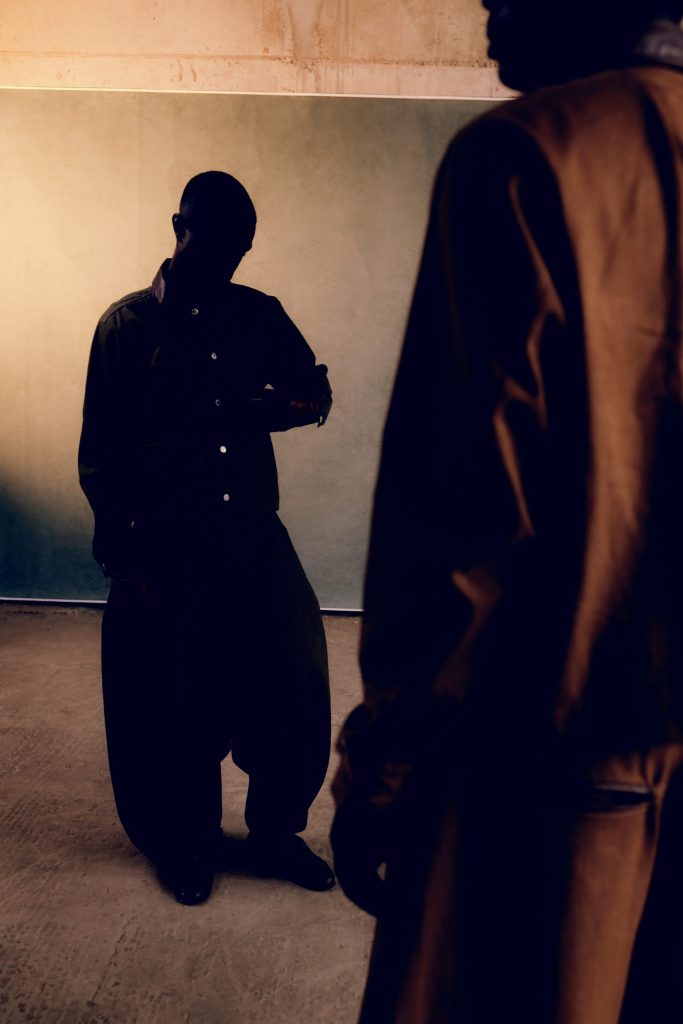
Erica is a Ghana-based photographer and creative director who effortlessly bridges the worlds of portraiture, documentary, fashion, lifestyle, and sports. Largely self-taught, she has spent the last six years mastering the lens, with three years of dedicated professional practice. Her imagery is deeply rooted in the tapestry of everyday Ghanaian life, drawn to its rich textures, vibrant colors, movement, and the quiet, beautiful contradictions that define the space around her.
She treats color and light as structural tools for world-building, using them to craft distinct moods and immersive visual narratives. Beyond the camera, she operates as a multifaceted creative, fully immersing herself in experiences to shape stories through both image-making and intentional creative direction.
At this stage in her journey, Erica is steered by an insatiable curiosity and a desire for self-exploration. For her, photography is an active way of learning about herself, about humanity, and about the evolving world. Through a continuous process of observing, experiencing, and questioning, her perspectives shift and mature, constantly strengthening her convictions on what truly matters.
What type of photography do you do?
I do portraiture, documentary, fashion, and lifestyle photography.
What is the internal dialogue you have with yourself moments before you press the shutter?
My internal dialogue before pressing the shutter is rarely poetic. Most of the time it’s practical and instinctive; checking light, testing exposure, adjusting angles, questioning whether the image is working or if it could be pushed further. It’s often a mix of doubt and problem-solving: is this underexposed? Does this feel right? Occasionally, when the moment allows, that technical noise quiets down and instinct takes over. In those moments, I’m less concerned with perfection and more focused on presence responding to the energy, emotion, or movement in front of me. Those are usually the frames where something unexpected happens.
Is there a specific emotion you find yourself unconsciously hunting for in every subject you shoot?
My thoughts are usually very practical: checking light, exposure, and questioning whether the image works or needs to change. It’s not always romantic; sometimes it’s just trial, error, and instinct. Per the moment the emotion I need will be communicated to the subject but it’s not a constant thing however in general I like my subjects to feel at ease.
Describe the feeling of being ‘in the zone.’ Does the world disappear, or does it become hyper-vivid?
The world most definitely disappears when I am in the zone. It is all about the vision and me.
Looking back at your most iconic shot, what was a ‘happy accident’ that your brain processed faster than your hands?
I wouldn’t say there have been moments where my hands moved faster than my brain. For me, it’s more intuitive than accidental. While luck can exist in photography, I’m more interested in the world-building aspect of the process; informing myself, observing, and immersing myself enough that decisions can be made instinctively in the moment. Because of that, what might appear as a “happy accident” is often the result of being fully present and prepared. There have been on-set moments where small, instinctive decisions aligned perfectly, not by chance, but through awareness and intention.
How does your choice of lens act as a psychological filter for how you interpret reality?
I don’t see the lens as something that defines my perception as much as something that supports it. My eye and intuition come first. The lens is simply a tool that helps me interpret a vision that already exists. Different focal lengths offer different ways of translating that vision, whether through compression, distance, or intimacy, but they don’t replace my point of view. When choosing a lens, I’m thinking less about symbolism and more about feeling: how close I want to be to the subject, how much context I want to include, or how I want the viewer to experience the space. In that sense, the lens acts as a filter not by changing reality, but by shaping how a moment is framed, emphasized, or distilled.
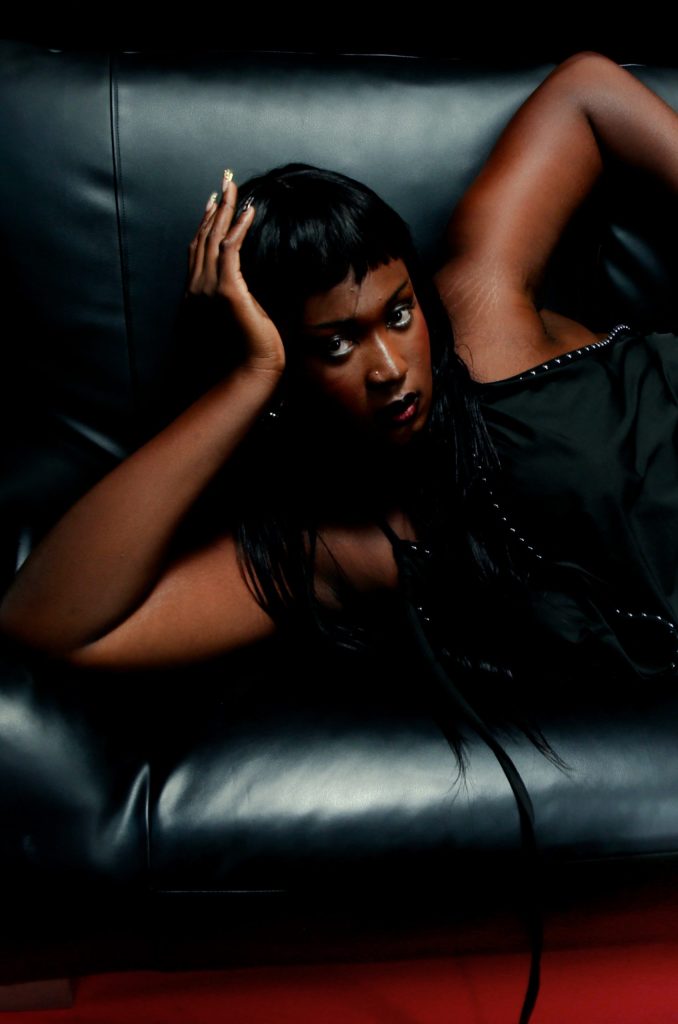
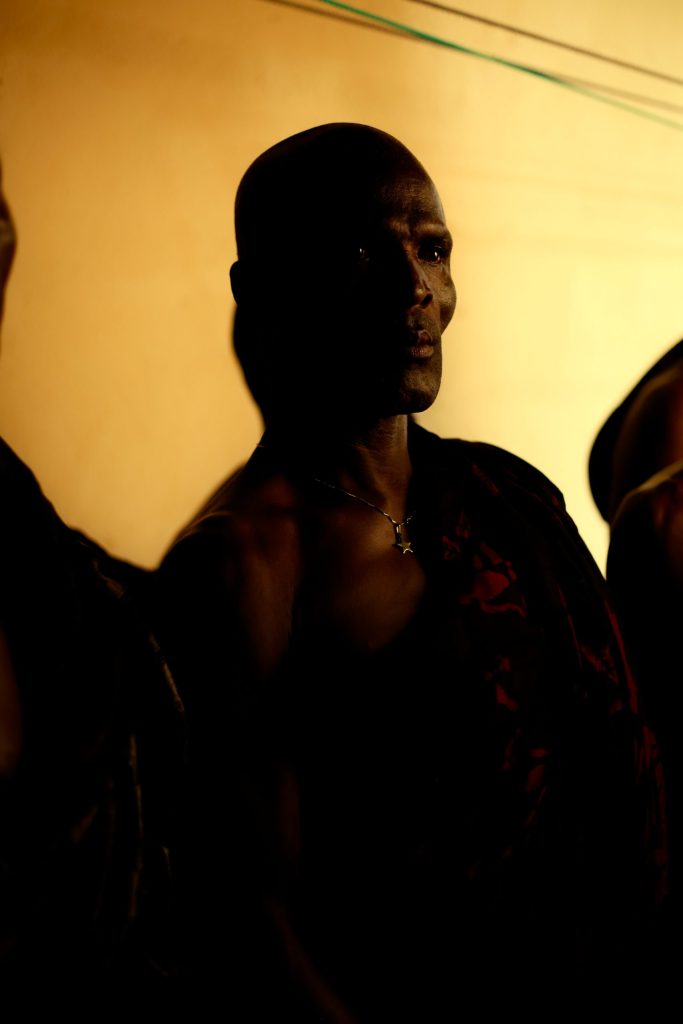
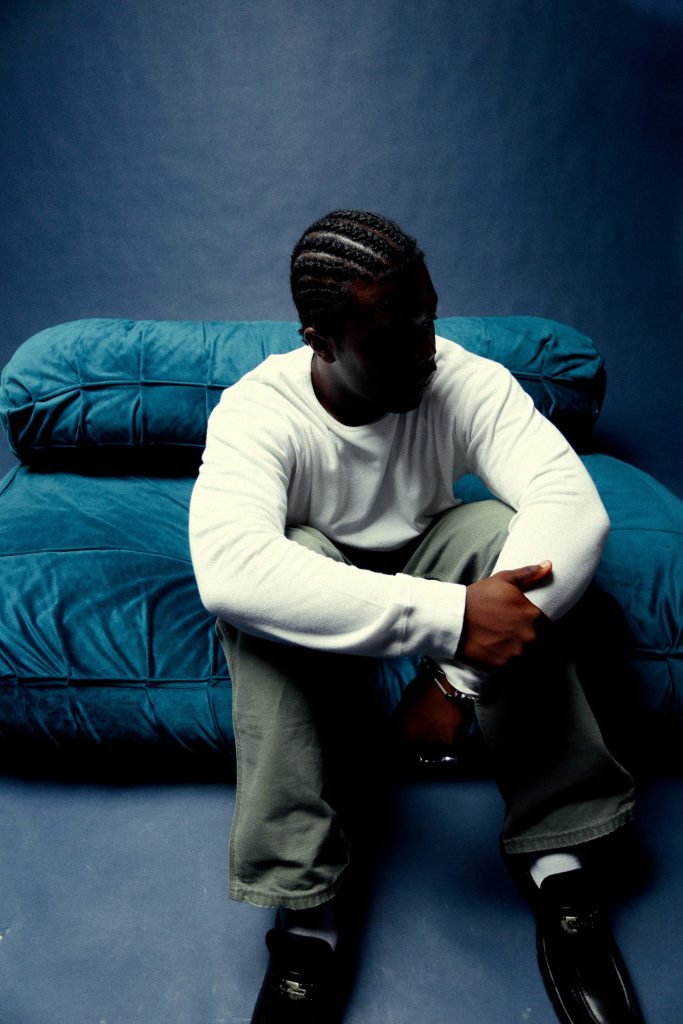
How much of your personality is visible in this frame, and how much is strictly the subject’s?
I don’t see the image as belonging entirely to either of us. My personality shows up in the choices I make – creative direction wise, framing, timing, distance, light, and what I decide to include or exclude. Those decisions reflect how I see and respond to the visual world we’re building. At the same time, the subject brings their own presence, energy, and truth into the frame. The image exists in the space between us; shaped by my interpretation but grounded in what the concept of the shoot is but of course allowing in the character of the subject. I’m less interested in overpowering the subject with my personality and more interested in creating room for them to exist honestly within my perspective.
Follow @theimullar on Instagram and X(Twitter) for more.