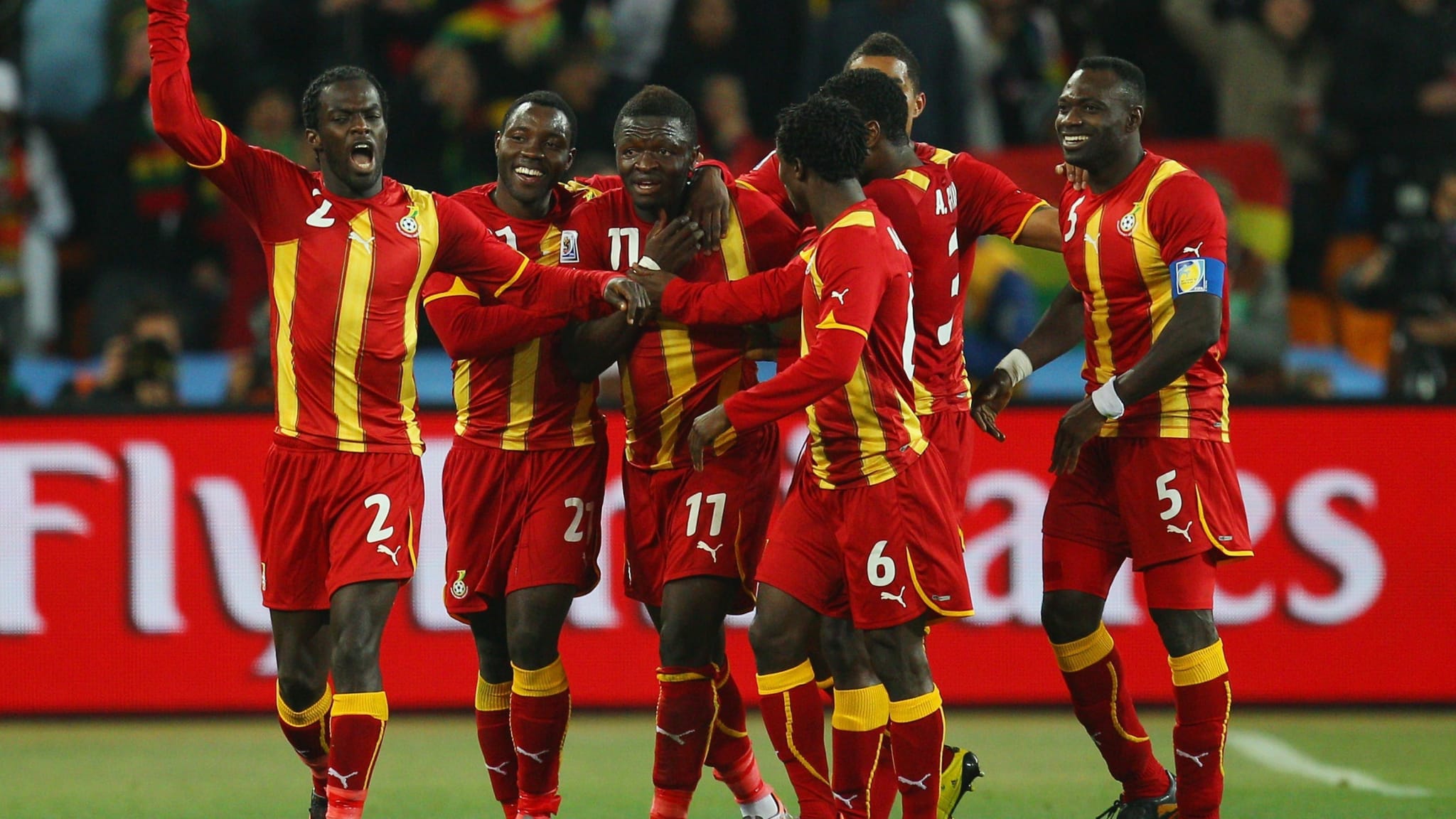
There is a distinct, electrifying energy woven into the fabric of Ghana’s red World Cup kits. Between 2006 and 2014, this jersey was a battle armor that carried the hopes of a nation and a continent. Across three unforgettable tournaments, it served as the backdrop for legendary World Cup moments, symbolizing a golden era where the Black Stars played with a fearless fluidity that captivated the entire globe.
This magic was nowhere more potent than in our historic triumphs over the United States. In 2006, the red kit bore witness to a historic advancement into the knockout stages in Germany. Four years later in South Africa, it was the same fiery red that flashed across the pitch as Ghana conquered the Americans once again in an extra-time thriller, launching the team into the quarter-finals. Every movement in that jersey, from the explosive counter-attacks to the iconic dancing celebrations at the corner flag, was a display of passion and pride.
To understand the reverence for the crimson threads is to understand the heartbeat of Ghanaian football at its zenith. The red jersey was a psychological catalyst. When the Black Stars stepped onto the pitches of Nuremberg or Rustenburg clad in that striking red hue, they carried an aura of absolute defiance. It complemented the tireless engine of Michael Essien, the lethal instincts of Asamoah Gyan, the tenacious leadership of Stephen Appiah, and unrelenting spirit of the entire Black Stars squad.

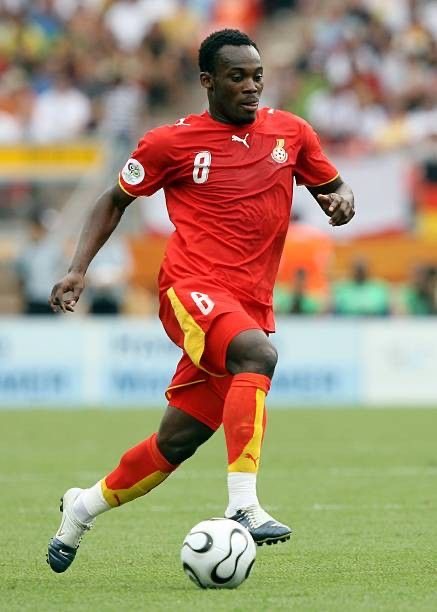
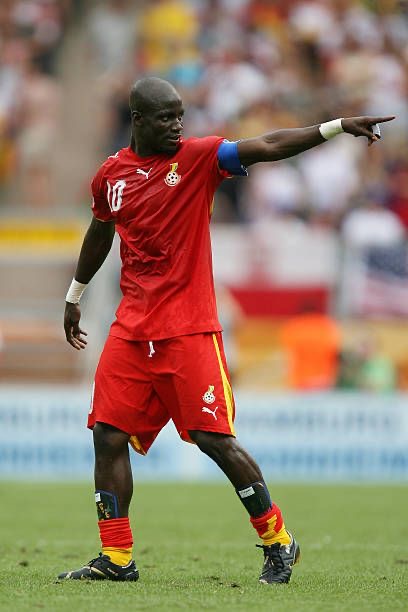
The kit became synonymous with a brand of football that was unapologetically African. It was a display of Ghanaian football heritage, where tactical discipline met streetwise flair. The deep red contrast against the lush green pitches of the world stage created a visual symphony of a nation ascending to footballing royalty, refusing to be intimidated by the sport’s traditional superpowers.
“For garments may fade and tournaments may pass, but the spirit woven into those threads is eternal.”
In recent years, the Black Stars have favored the traditional white and yellow attire, leaving the legendary red kit in the archives. Modern iterations by technical sponsors have leaned heavily into the cultural significance of the Kente cloth and the purity of the white base, seeking to ground the team’s identity in traditional symbolism. While these designs are undeniably beautiful and commercially successful, they evoke a different, perhaps more serene emotion. The red kit, however, exuded raw, adversarial heat.
This shift has left a nostalgic void. The current generation of fans and purists looks at the contemporary kits and sees elegance, but when they look back at the red, they remember a team that played with its back against the wall and came out victorious. The absence of the red strip feels like a chapter of our footballing heritage left open, waiting for its definitive conclusion.
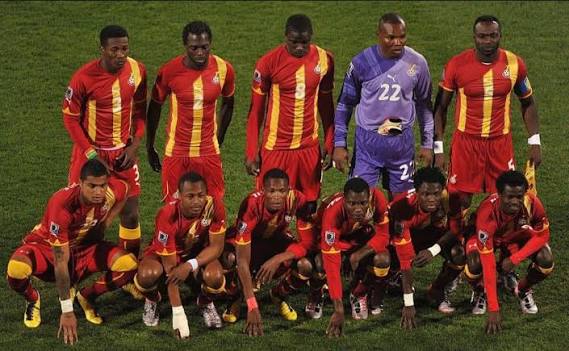
It begs the question that lingers in the heart of every Ghanaian football purist: Is Ghana’s iconic red jersey ever going to make a comeback? As we look to the future of Ghanaian football, we can’t help but crave the return of the color that defined our greatest World Cup heartbeats and most historic victories.
The cyclical nature of football fashion offers a glimmer of hope. Modern kit designs thrive on nostalgia, frequently resurrecting classic designs to inspire both players and fans. For Ghana, bringing back the red kit would be a symbolic reclamation of our competitive edge. It would serve as a bridge linking the historic exploits of the golden generation to the rising stars of tomorrow, reminding them of the standard of excellence expected when representing the Black Star.
Follow @theimullar on Instagram and X(Twitter) for more.