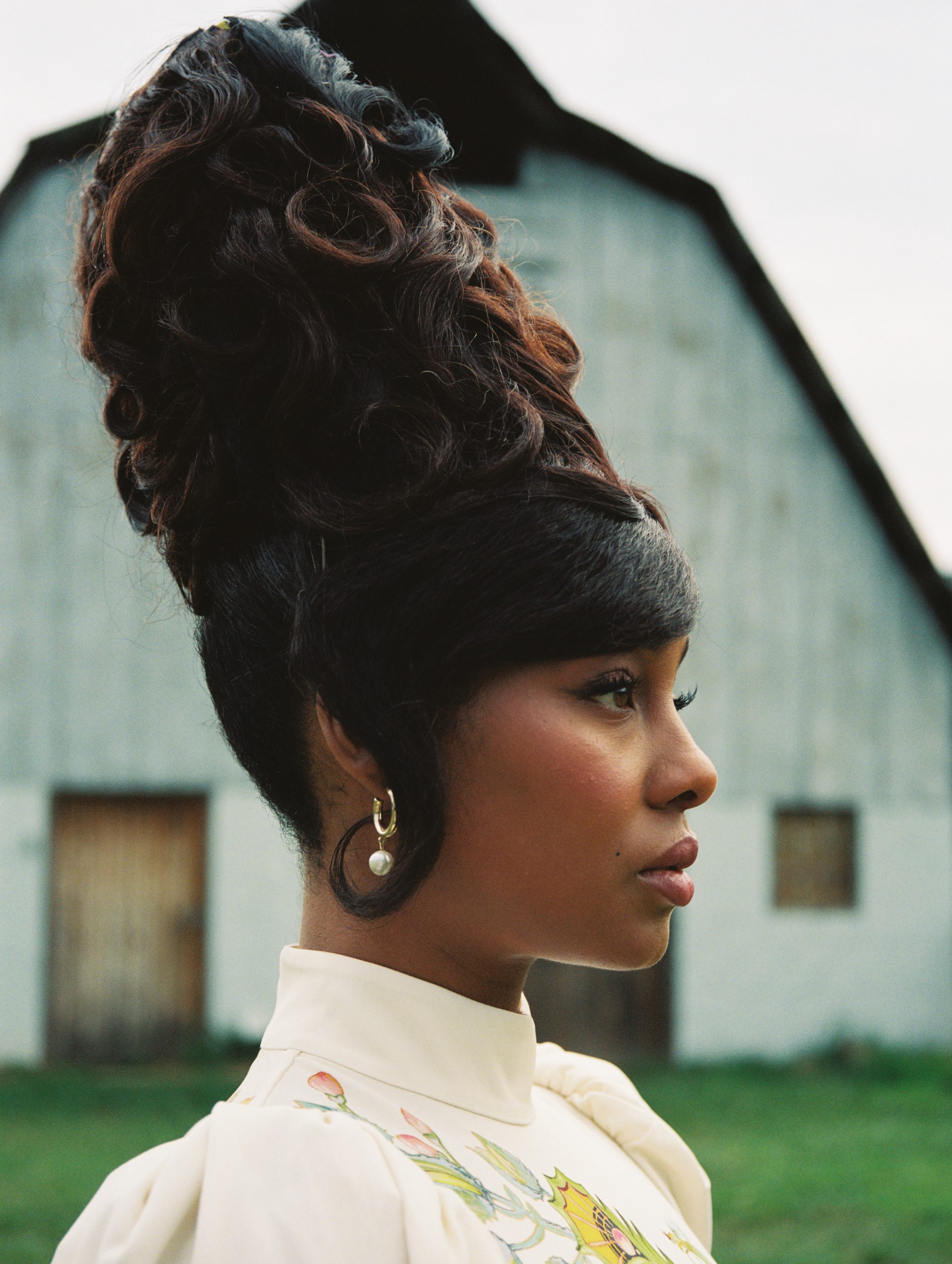
To look at a place is simple; to see it, to capture the very rhythm of its breath, is an entirely different discipline. In the bustling warmth of Africa’s landscapes, where the dust catches the afternoon sun just so, and the quiet contradictions of everyday life play out on street corners, images are constantly being written by the cosmos. It takes a specific kind of eye to translate that kinetic energy into a visual language that lingers long after the frame is closed.
Frame Of Mind is a segment that spotlights the world-builders behind the lens; those who do not merely document our reality, but stretch it, color it, and invite us to live inside it. We spotlight the creators whose cameras are tools for deep curiosity, capturing the textures, the light, and the fleeting, beautiful human fragments that define who we are. Today, the spotlight is on Michael Acheampong, known in the creative space as Mikonic.
Michael Acheampong is a Ghanaian-American photographer and visual artist based in Atlanta, GA. His work explores the intersection of fashion, culture, and identity, blending portraiture, editorial, and fashion photography to tell stories rooted in the African diaspora. Raised between Ghanaian traditions and American life, Michael’s art reflects the beauty and complexity of navigating two worlds.
He draws inspiration from photographers such as Dawoud Bey, James Barnor, J.K. Bruce-Vanderpuije, Gordon Parks, and Daniel Attoumou Amicchia. Currently pursuing an MFA in Photography at the Savannah College of Art and Design (SCAD), Michael uses his work to celebrate heritage, challenge stereotypes, and reframe narratives of African identity through a contemporary lens.
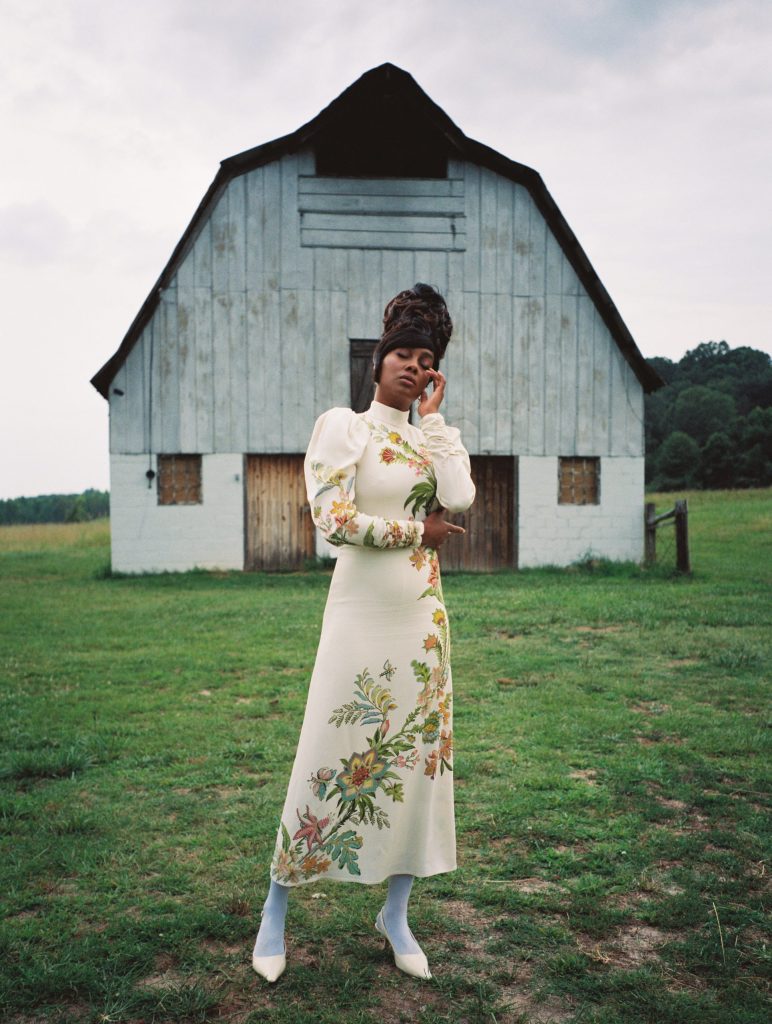
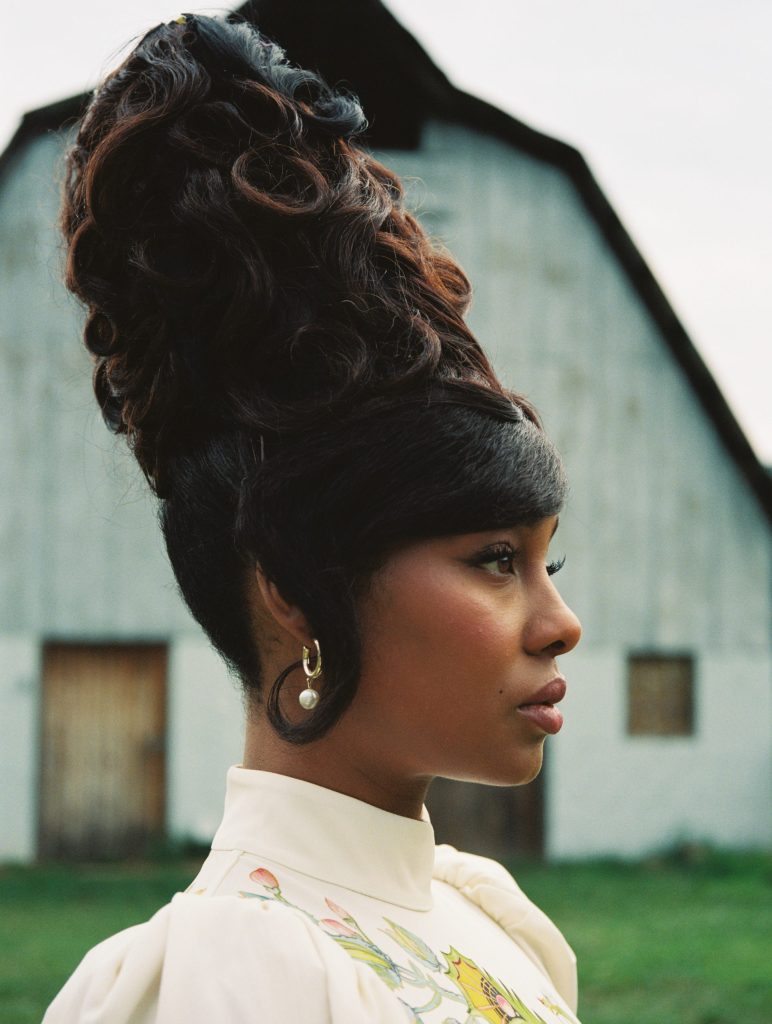
What type of photography do you do?
I do analog and film Photography.
What is the internal dialogue you have with yourself moments before you press the shutter?
Right before I press the shutter, I’m usually asking myself if everything in the frame is where I want it. I think about the composition, the light, and if the moment actually says what I’m trying to communicate. Sometimes I wait a few more seconds because I know the expression or gesture isn’t there yet. I’m also asking myself if the moment feels real. Sometimes the best images happen when I stop trying to force the shot and just trust what’s happening in front of me. Once everything feels like it’s working together, I stop overthinking it and take the image.
Is there a specific emotion you find yourself unconsciously hunting for in every subject you shoot?
I don’t think I’m looking for one specific emotion every time. I’m more interested in when someone lets their guard down, even for a second. Those moments usually feel the most honest, and they’re the ones I end up coming back to.
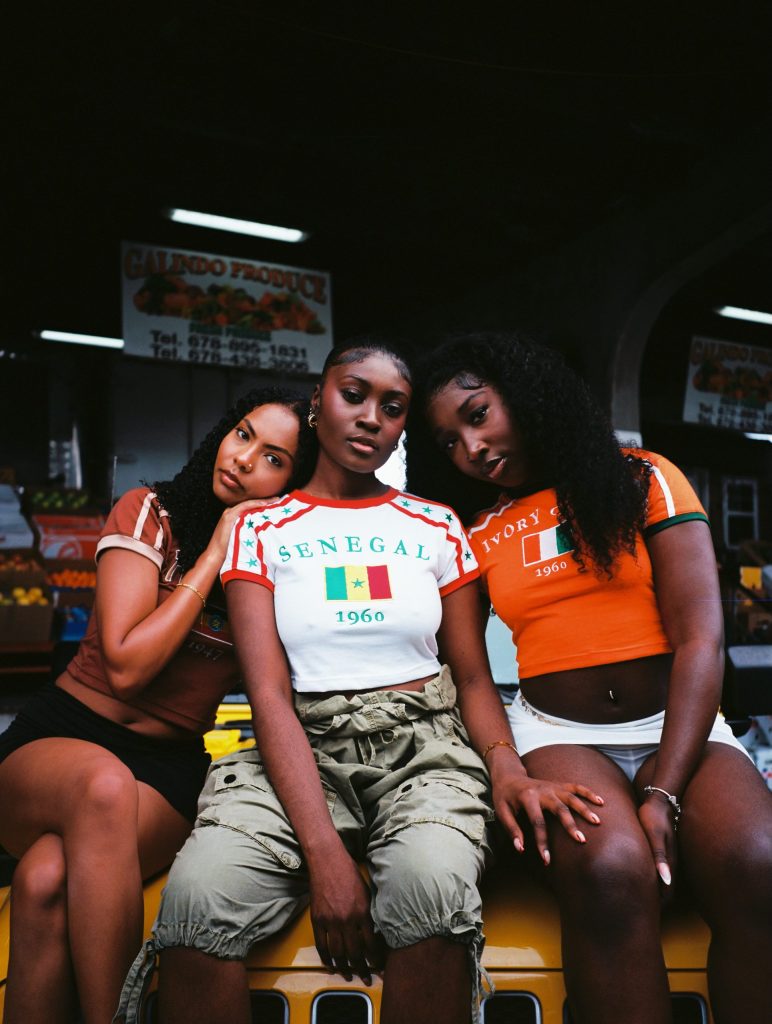
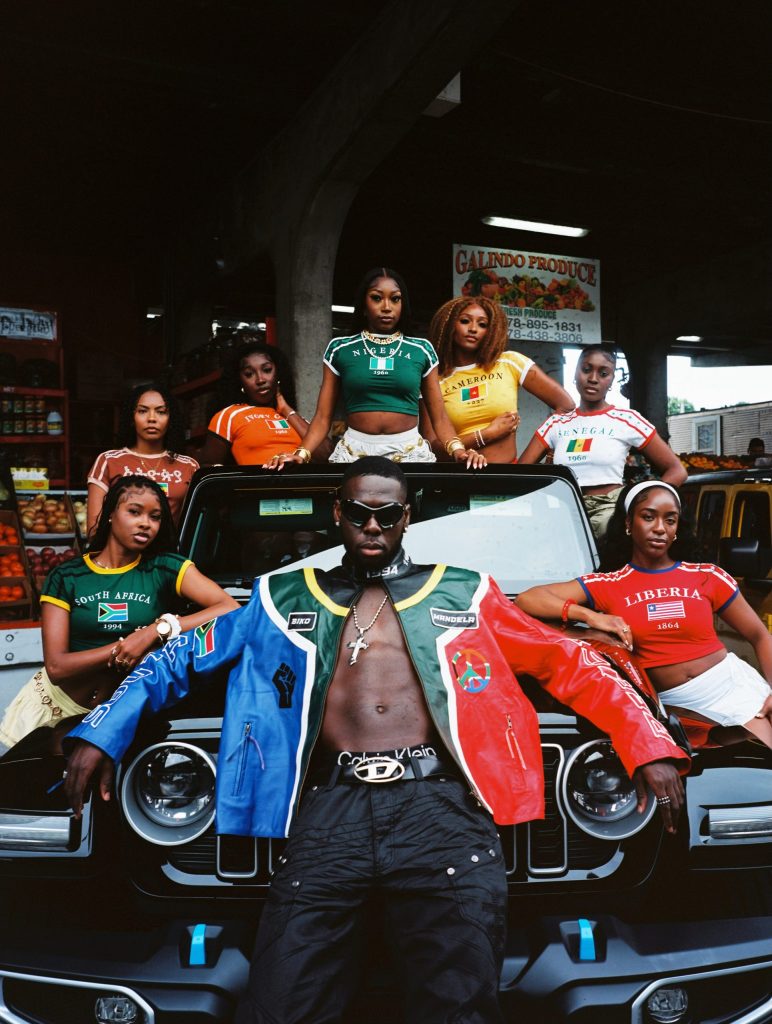
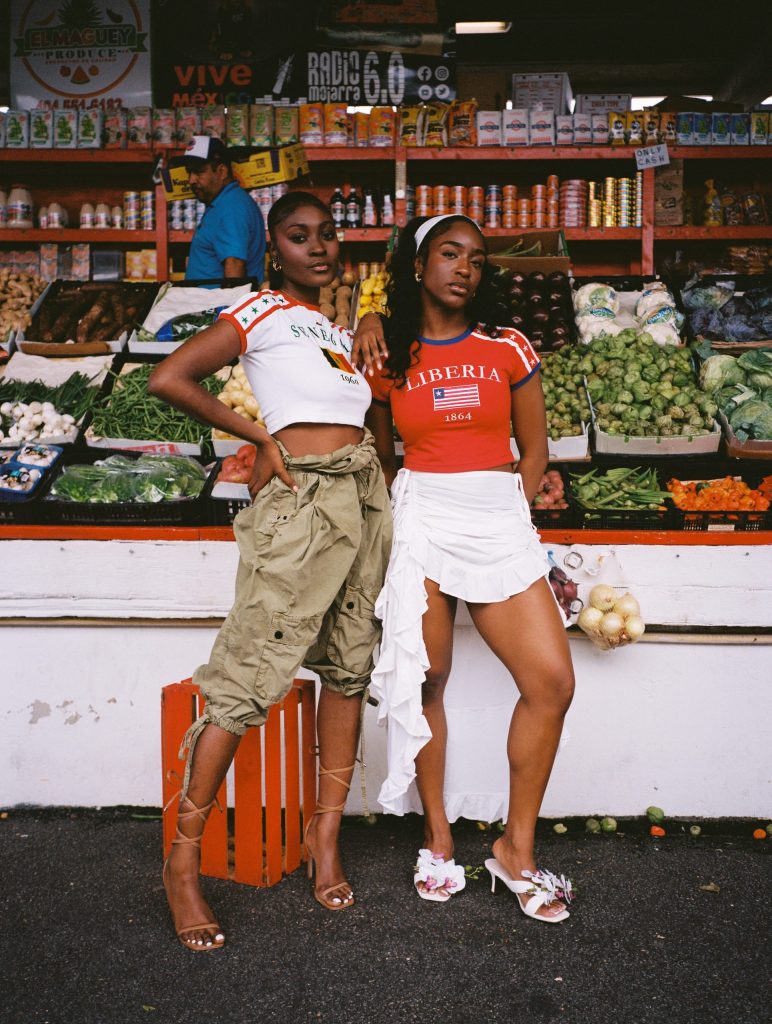
Describe the feeling of being ‘in the zone.’ Does the world disappear, or does it become hyper-vivid?
I don’t think the world disappears. If anything, it becomes more noticeable. When I’m in that zone, I start picking up on little things I normally might miss, the way someone moves, a shift in their expression, the light changing for a second. It feels like everything slows down, and I’m just fully present with what’s happening in front of me. That’s usually when I make the images that feel the most like me.
Looking back at your most iconic shot, what was a ‘happy accident’ that your brain processed faster than your hands?
One thing I’ve learned is that you can plan a shoot, but you can’t always plan the moment. Some of my strongest images have come from a split second where something unexpected happened and I trusted my instinct enough to capture it. My brain usually notices the feeling first, and my hands just have to catch up.
How does your choice of lens act as a psychological filter for how you interpret reality?
I see the lens almost like a perspective I’m choosing to step into. A different lens changes the way I connect with the subject, whether I’m close enough to feel the energy of the space or far enough back to observe the full story. It’s not just about how the image looks, it shapes what I pay attention to and how I interpret the moment.
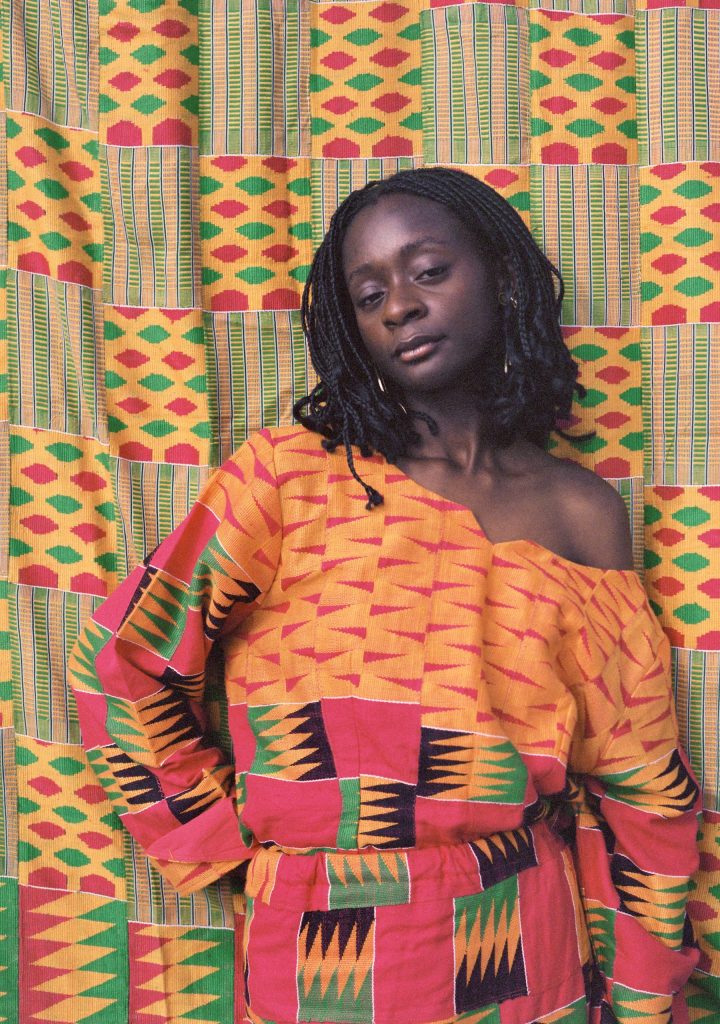
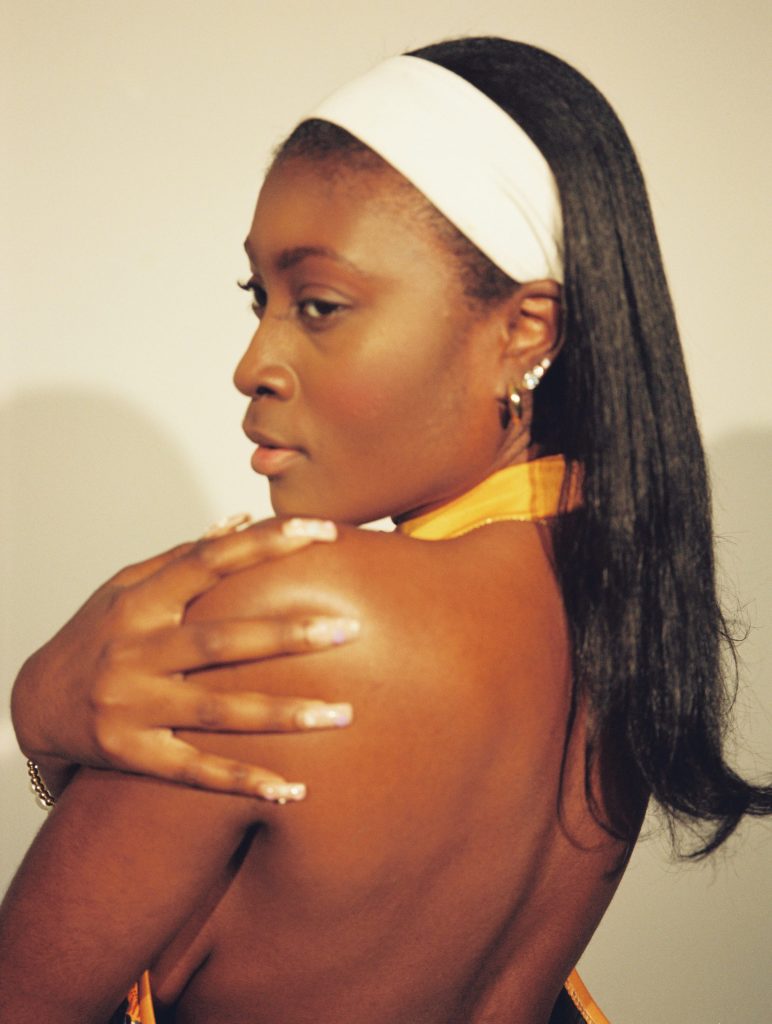
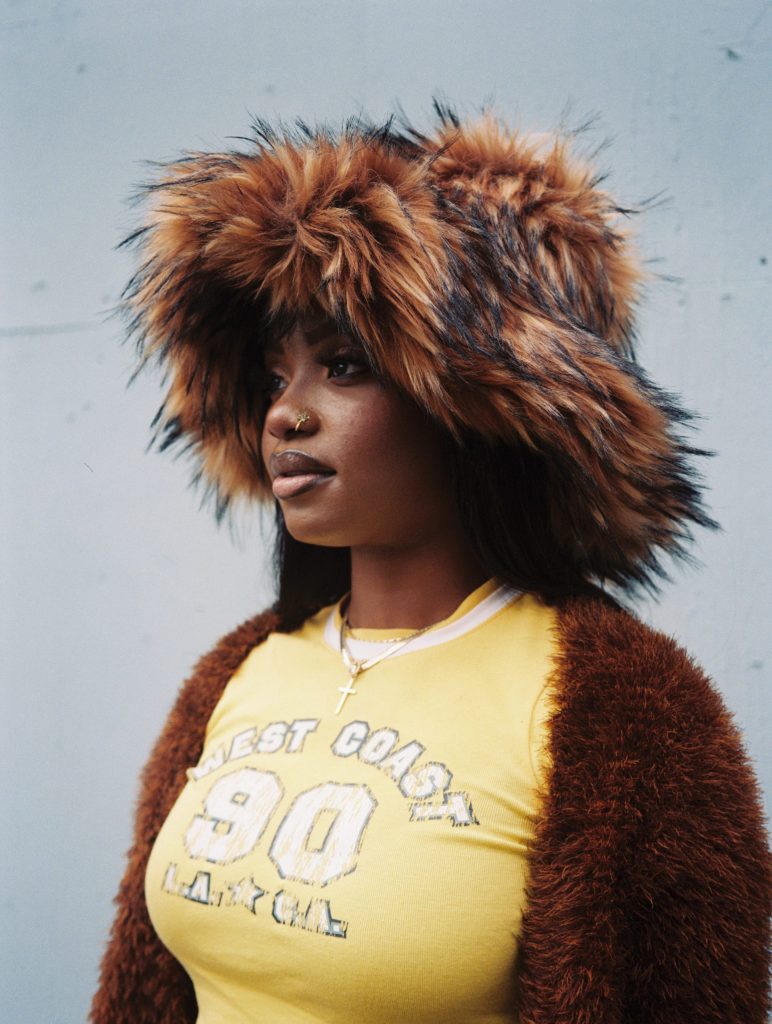
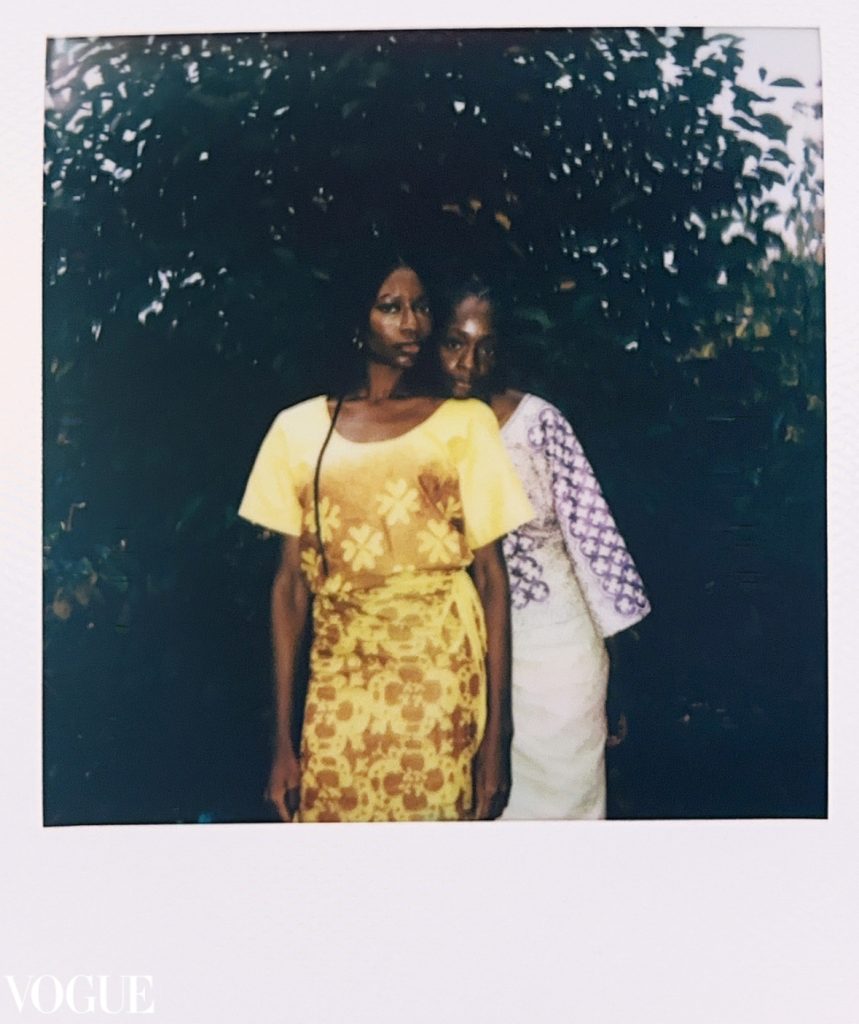
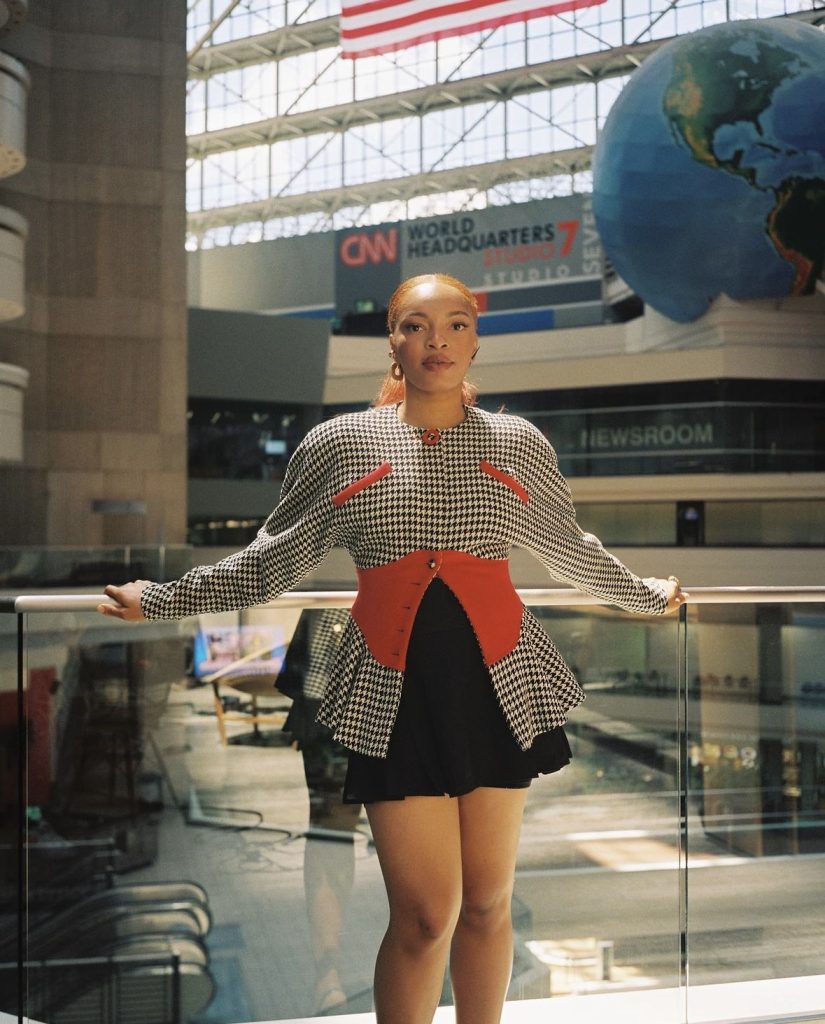
How much of your personality is visible in this frame, and how much is strictly the subject’s?
I think every image carries a little bit of both. I think the subject owns the moment, but I’m responsible for how that moment is framed. Their personality is what makes the image meaningful, but my choices as a photographer are always present: what I notice, when I press the shutter, and what I decide to include. My goal isn’t to overpower the subject, but to create enough space for them to be themselves while still allowing my perspective to come through. A photograph is always a conversation between the person in front of the camera and the person behind it.
Follow @theimullar on Instagram and X(Twitter) for more.