
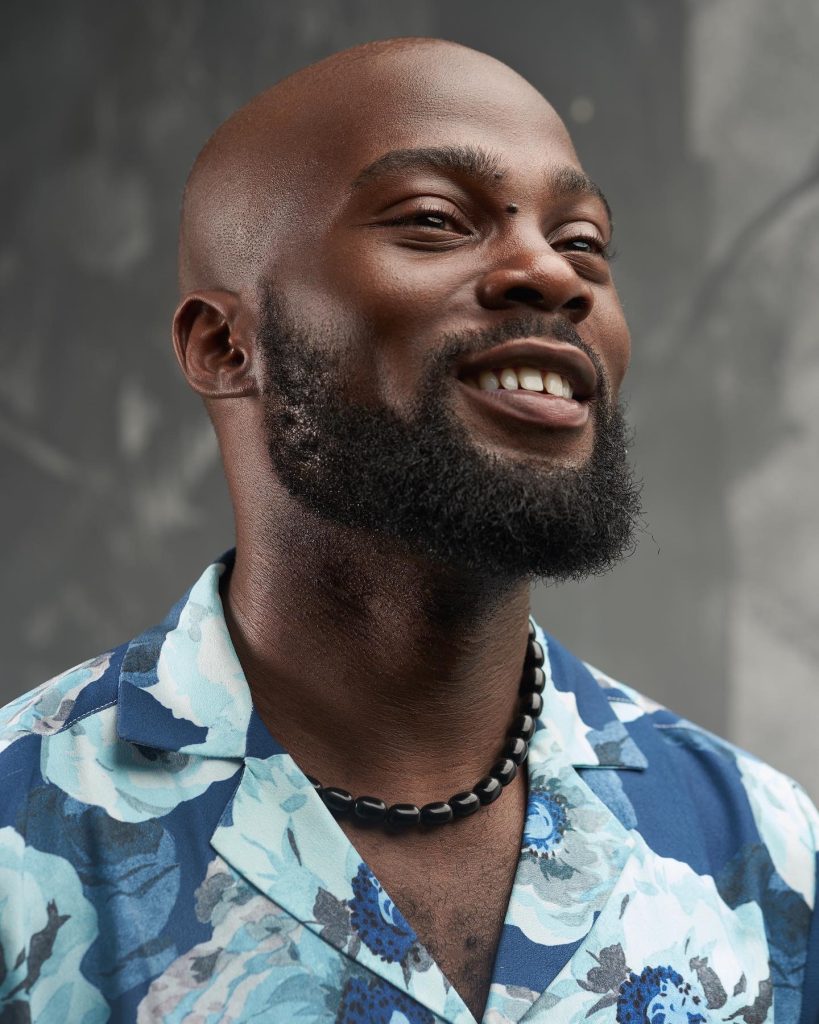
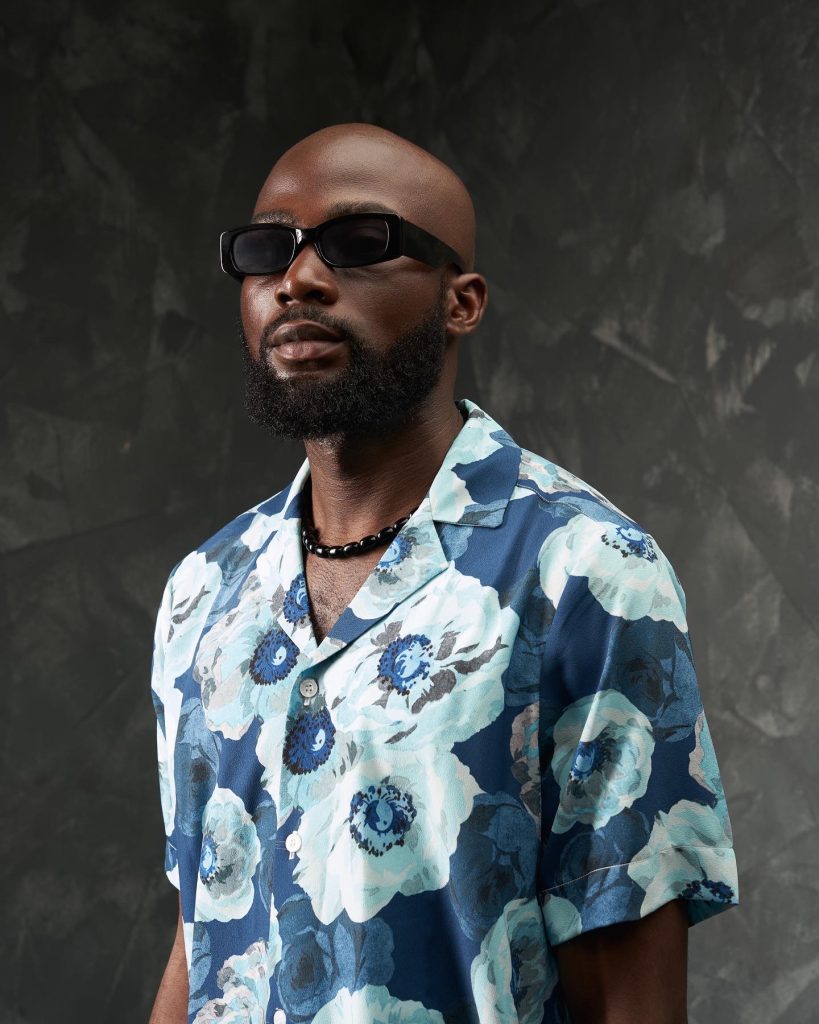
One of the greatest gifts a person can give to themselves is to also evolve and grow. Growth and change are two things that push an individual’s life from one point to another. While both do not come easy, there are people who have made it seem quite simple. One such person is Kolapo Oladapo, a multifaceted individual with experiences across diverse industries spanning a decade.
A lawyer, a UX designer, business developer, music marketing expert and a project manager among other hats. Despite his diverse background and skills, Kolapo has always shown a level of professionalism and dedication to everything he has been involved in, making the adage, “jack of all trades, master of none”, sound like a joke. From small beginnings as a graphic designer, to handling global projects in tech and entertainment, Kolapo has experienced a lot but is still open to change and ushering in a new generation of like minded individuals who are ready to move more than just the needle. His works with Apple’s Platoon, TEDx appearances, Cold Purewater, Cold Mineral Podcast among others has seen Kolapo show first hand how one can merge different skills and produce exceptional results in one’s career.
His exploits have earned him recognition in high profile publications and media outlets. He has overseen the development and worked with some of the finest artists and entertainment companies as well as entering the role of a Grammy Academy member and a Grammy U mentor.
In an interview with iMullar, Kolapo shares insights into his life, career and how he has not only balanced his diverse expertise but has welcomed growth and change every step of the way.
At what point did you decide that you wanted to work in the music industry?
Music was my introduction into everything I do today. I used to design track covers and motion graphics for artistes back in university and I practiced for this by redesigning track covers from the Billboard 100 as a hobby. A cover art is such a powerful medium to communicate the collective messaging of an entire body of work. The stories told in some of the cover art made me curious about the artist, the music and all the people behind the music. This search led me to stories of industry professionals and legacy brands who inspire my work today.
How have you balanced all your skills and ensured that they all drive you towards the right goals at the right time?
My strategy has always been “jump first and build the parachute on the way down”. Curiosity pushes me off the edge, and learning keeps me in flight. I’m a natural risk-taker, and most of the skills I’ve developed over the years have come from lived experiences and showing up in service to others. I believe that sales sit at the heart of every business, and that clear, empathetic communication is the key to unlocking value in any industry. That belief drives me to invest in tools, skills, and methods that sharpen how I communicate across the board. It’s how I stay in tune with evolving consumer behavior.
As a growing industry in our part of the world, what were some of the challenges you had to overcome in your line of work?
In the early days of shaping the culture around Afrobeats, my team and I encountered the familiar infrastructural and accessibility challenges that face any emerging industry. One of the biggest hurdles was convincing decision makers, accustomed to the status quo, to invest in a growing zeitgeist that was redefining the culture. Decades of collective effort by creatives, promoters, DJs, artists, tastemakers, and other stakeholders have helped establish Afrobeats and its subcultures as a legitimate business in their own right, not just a marketing tool to upsell consumer goods.
Tech and the arts are growing forces in Africa, and you are one of the few people who have expertise in both. How important is it for us as a people to bridge that gap between both worlds?
A significant share of the world’s problem-solving today is powered by technology. Having worked at the intersection of tech and creativity for years, I’ve seen firsthand how they amplify each other’s value. Technology has radically democratized media and streamlined communication, two essential drivers of accessibility in the global creator economy. I’m constantly experimenting with software and tools that accelerate creative work. My latest obsession is exploring how much service delivery and communication can be optimized with AI across different industries.
For people who find it difficult to navigate the space with similar skill sets as you, what is your advice to them?
Hadiths and verses documented in holy books are clear on the principle of “Love your neighbour as yourself”. Empathy is one of the most powerful tools for navigating any space. When you genuinely invest your time, resources, and skills in solving problems for others, you create real value and that leads to growth. Empathy gives you clarity and direction. By walking in someone else’s shoes you understand their needs and how best you can serve them. This applies to everything: relationships, work and community. Take LinkedIn seriously and document your work like the artefact that it is.
How do you decide when to take on a challenge and when to move on from one thing to another?
You learn how to cut down trees by cutting them. I live my life moment by moment, making sure I give my best to each moment. The lessons I gain from being fully present create the momentum that propels me into whatever comes next. When the momentum starts to feel forced or disconnected from my bigger goals, I take that as a cue to pause, reflect, and sometimes pivot. It’s not always easy, but I’ve learned that growth often comes from knowing when to dig deeper and when to walk away.
You have received multiple accolades so far in your career. How do you deal with any pressures that come with all these accolades?
I’m genuinely grateful for the recognition I’ve received throughout my journey, but I’ve never let accolades define my sense of worth. My parents raised me to find validation in the quality of my effort, not in the reward. Growing up, I didn’t receive gifts or praise at home for doing well in school. My reward was simply the satisfaction of a job well done. I’ve learned to anchor my confidence in process, not praise. Even when things don’t work out, I find peace in knowing I showed up with intention and integrity.

You have been part of many initiatives that are building and developing the skills and talents of young Africans. What, in your opinion, has been the highlight of what you have done and continue to do?
I’m immensely blessed to have the opportunity to do this work. I’m grateful to the community of colleagues and local partners across Africa who have helped bring each project to life. What we were able to achieve with AUX Africa, the Apple Music syndication deal and the recently refurbished Music Room at Queens college are my favorite moments from the past decade. I’m a big fan of anyone committed to empowering African creators and professionals. It is necessary work, often thankless and always challenging. The highlight of my career has been seeing ideas and projects I’ve worked on personally and with teams replicated and adapted by others. Like any natural formation, a healthy ecosystem nourishes all its parts. The same goes for industries. Interconnected systems of initiatives and ideas that empower people are the key to unlocking real value. It’s not enough for one person to do something great; it needs to be replicated at scale to create meaningful impact that benefits the collective. Staying in constant engagement with young people shaping culture for the next decade also offers powerful insight into shifting consumer behavior. It’s a win-win.
What does the future look like for Kolapo?
A family. A farm. My dogs. No social media. Handwritten letters. A landline. Early morning tea and long beachside conversations with my girl. More photojournalism and social work.
Written and Interviewed by Nana Kojo Mula.
Follow @theimullar on Instagram and X(Twitter) for more.