Asakaa, The spirit of a whole nation.
Serving as a subgenre of hip hop, Drill music originated from the Southside of Chicago in the early 2010’s. Emerging from crime-ridden neighborhoods like Chi-Town’s Woodlawn community called “Dro City,” the genre became notorious for its gang violence. Coined by Dro City hip-hop artist Pac Man on his 2010 track, “It’s a Drill,” the rapper met his untimely demise in June 2010 before the Drill movement became an international phenomenon. Other Chicago prospect rappers back then like Lil Durk, Lil Reese, and King Louie, made waves with their drill-inspired songs, making local anthems, but the sub-genre defining moment came when Chief Keef released “Don’t Like”. The track became mainstream, charted on the Billboard 100, garnered tens of millions of streams, and inspired major acts like Kanye West and Drake to co-sign his music as well. The remix was featured on GOOD Music’s album “Cruel Summer”, by then, Chief Keef had signed to Interscope and relocated from Chicago to Los Angeles, but was dropped in 2014 due to drill’s waning commercial appeal. While the mainstream music industry was questioning the legitimacy of the genre, Drill was busy setting the precedent for hip-hop for the rest of the decade.
Meanwhile, in the southern parts of London, U.K. Drill was on the rise by the mid-2010s thanks to the successful fusion of British genres like grime and garage along with elements of its American counterpart, Trap. On the production side of things, British producers AXL Beats, 808 Melo, Yoz Beats, and Swirv were pushing the movement with its characteristics in terms of production. With the speed of a drill beat which was generally slower, with a moderate tempo, having about 60 to 70 beats per minute, some producers worked with it at double tempo, such as 120 to 140 beats per minute, with its trademark skippy drum patterns, thick drum lines, and processed piano, rappers from all over London, alongside New York’s Producers, fused its sound with different elements that landed the same results from both continents. The emergence of Pop Smoke and Fivo Foreign, whose multi-million dollar record deals in 2019 pushed the movement to the front, with back-to-back hit songs from Pop Smoke, cemented Drill’s position in the rap scene.

By mid-2020, the drill movement had gained significant disciples, and in Kumasi, the capital city of the Ashanti Region in Ghana, a group of MCs had been studying the movement and finding ways to tweak drill music and make it work in their ecosystem, little did they know it was going to be a global phenomenon. Ghana as a creative country has always excelled in music, serving as the origin of some of Africa’s finest genres, if there’s any genre that Ghana takes heavy pride in, it’s their rap scene. History will tell you Gyedu-Blay Ambolley, a Ghanaian highlife artiste was the first musician from Ghana and the world to formally incorporate rap forms into local highlife rhythms, creating the musical genre Simigwa.
Their rap scene has always been at the top of it all, from Reggie Rockstone’s BBoy days thanks to his tri-continental culture to Tic Tac’s teenage takeover and Obrafour’s conscious lyricism, Ghana’s Rap scene has always been lit. And with heavy dominance from Sarkodie who is easily the best rapper on the continent, nothing touches the Gold Coast when it comes to Rap. In an era where Afrobeats has taken over, Ghana’s rap scene went through a revival with the Drill Wave thanks to Kumerica’s (Yes! They coined the name by infusing America and Kumasi) rappers, The “Asakaa” boys.
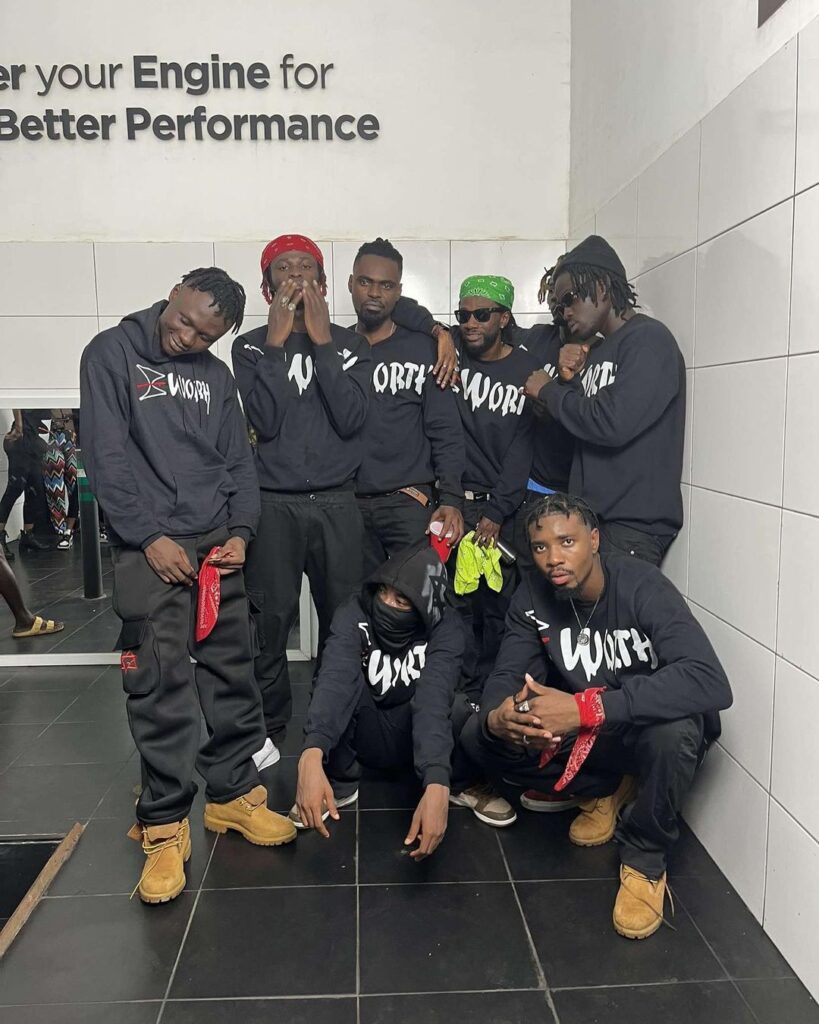

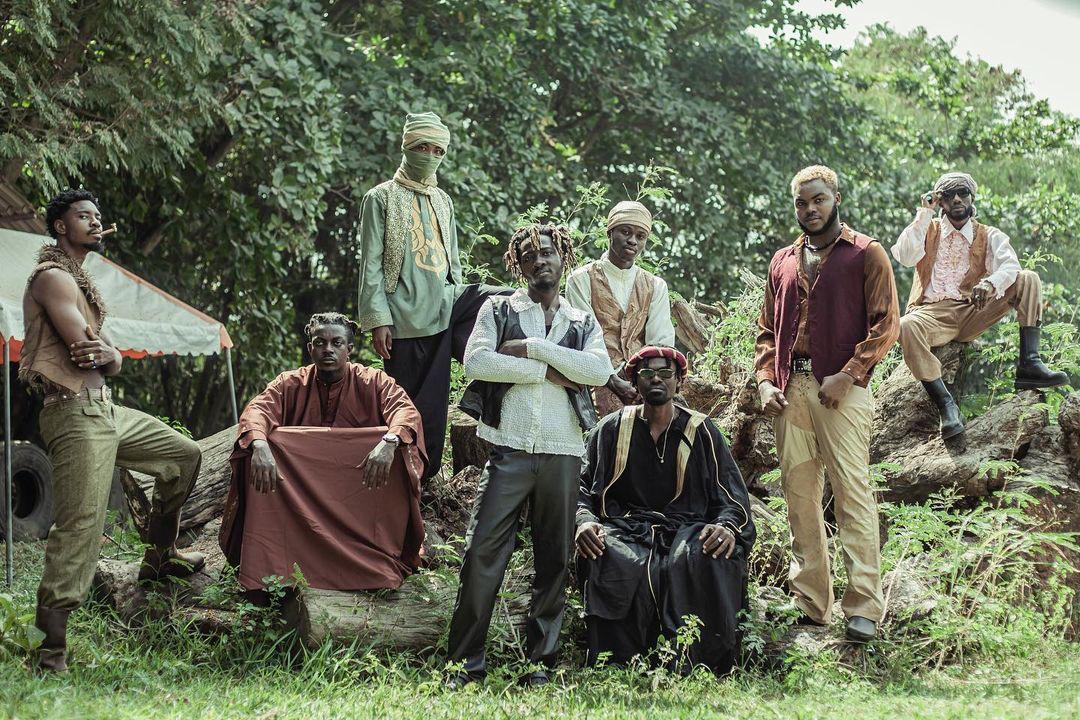
Asakaa basically means drill music in Twi, but it’s more than just a sub-genre to the pioneers of it, namely O’Kenneth, Kwaku DMC, Jay Bahd, Reggie, Kawabanga, poster boy Yaw Tog and their associates; It’s a culture, a lifestyle, with inspiration and influence from their Motherland’s sound, allowing them to “melodify” the type of Drill music they make, making it a whole different sound as compared to its originator. This feat is one of the reasons why Asakaa stood out despite the rise of drill music from other countries all over the globe. The late Virgil Abloh is a believer of the Asakaa movement, Pop Smoke’s brother is a big fan of Jay Bahd, whose persona picks inspiration from Pop Smoke.
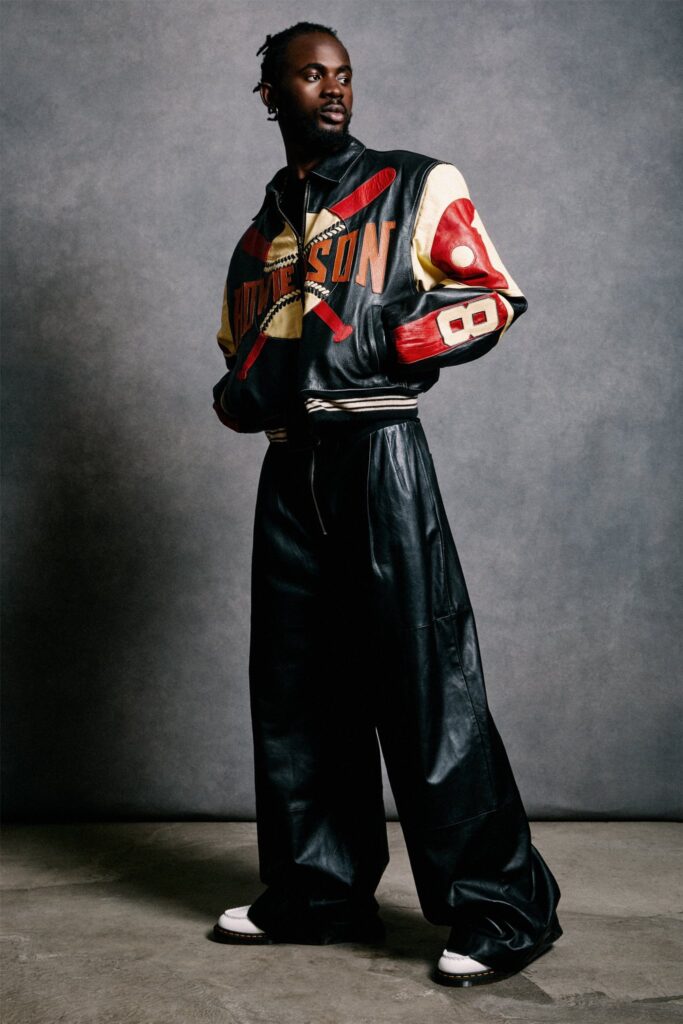
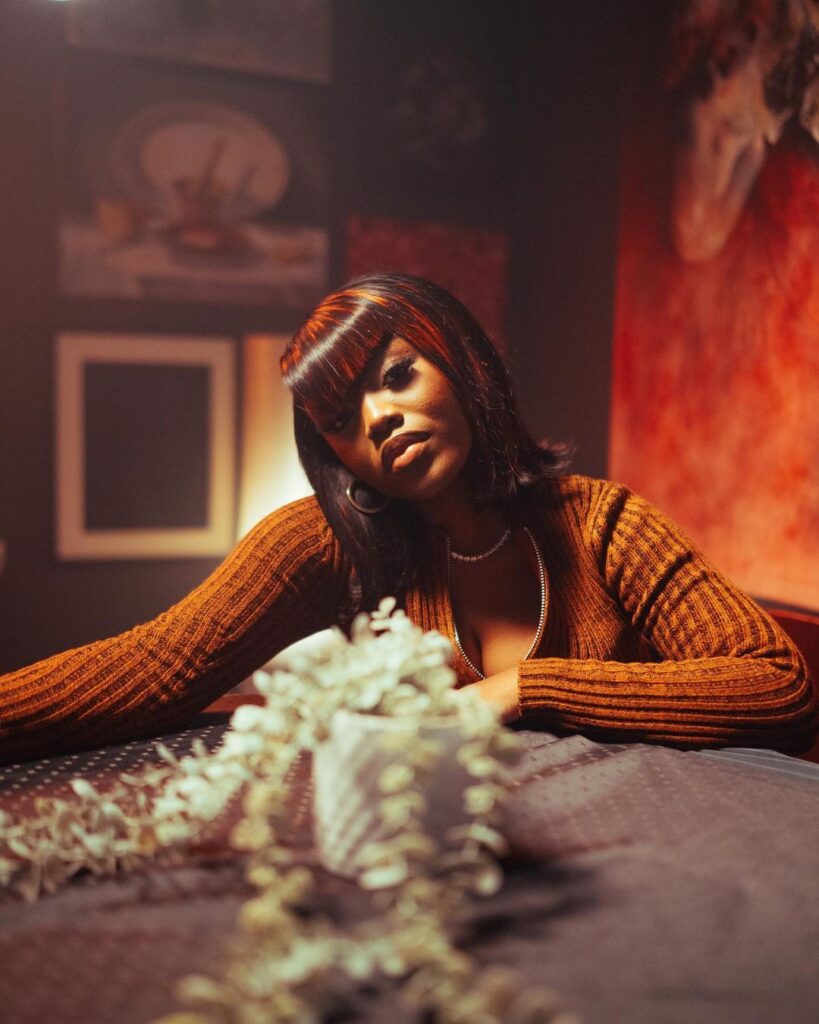
The country’s most modernized artiste, Black Sherif has drill songs in his catalog that amounted to his blow-up, and Ghana’s songbird, Gyakie has a number 1 record with her drill song “Scar“. Stormzy flew all the way to Ghana during the pandemic to shoot his verse on the video for “Sore”, a drill banger that changed it all for Yaw Tog. For more context on how game-changing Asakaa has been since its emergence 3 years ago, the Recording Academy has now recognized Asakaa (Ghana Drill) as a genre eligible for a Grammy award in the new category dubbed “ Best African Music Performance”. Yeah, the boys are close to winning Grammys now. This solidifies Ghana as the spearhead for Drill music on the continent, even though other countries developed drill scenes of their own, shutting down false claims from neighboring countries.
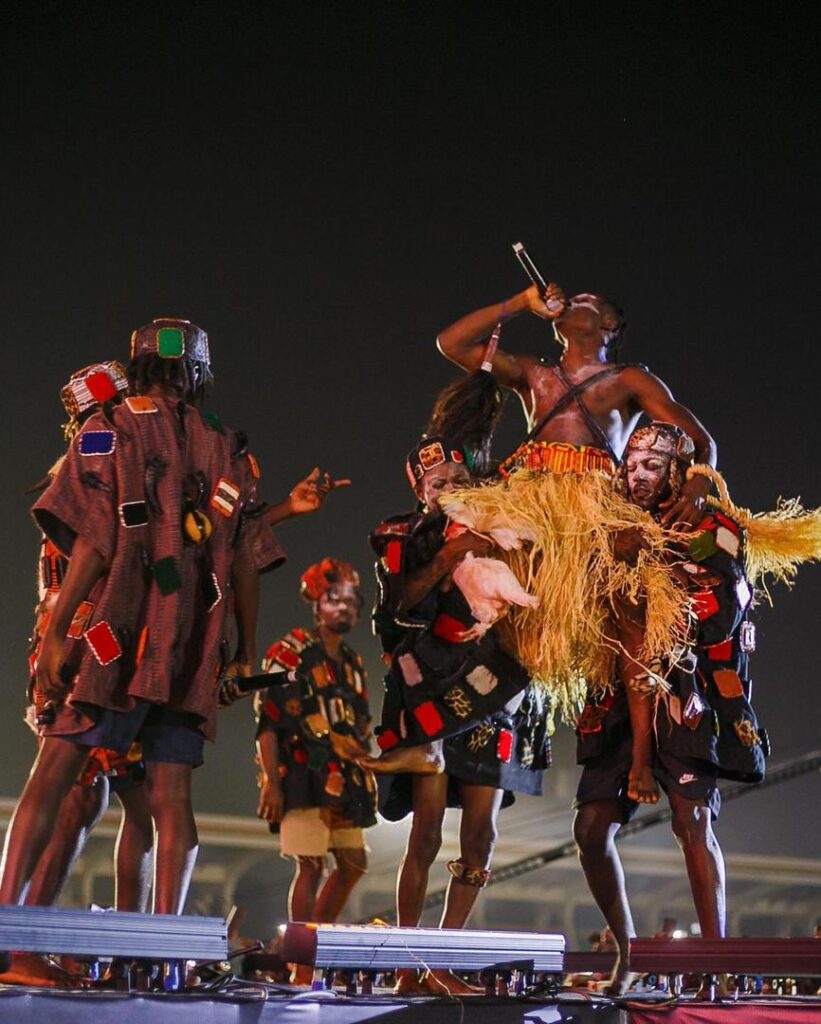
Asakaa is now deeply rooted in the soils of influential genres, all from the penning skills of high-energy but emotionless rappers, rappers that don’t filter what the streets are about, brutal honesty at its finest, that’s Asakaa, that’s Ghanaian Drill.