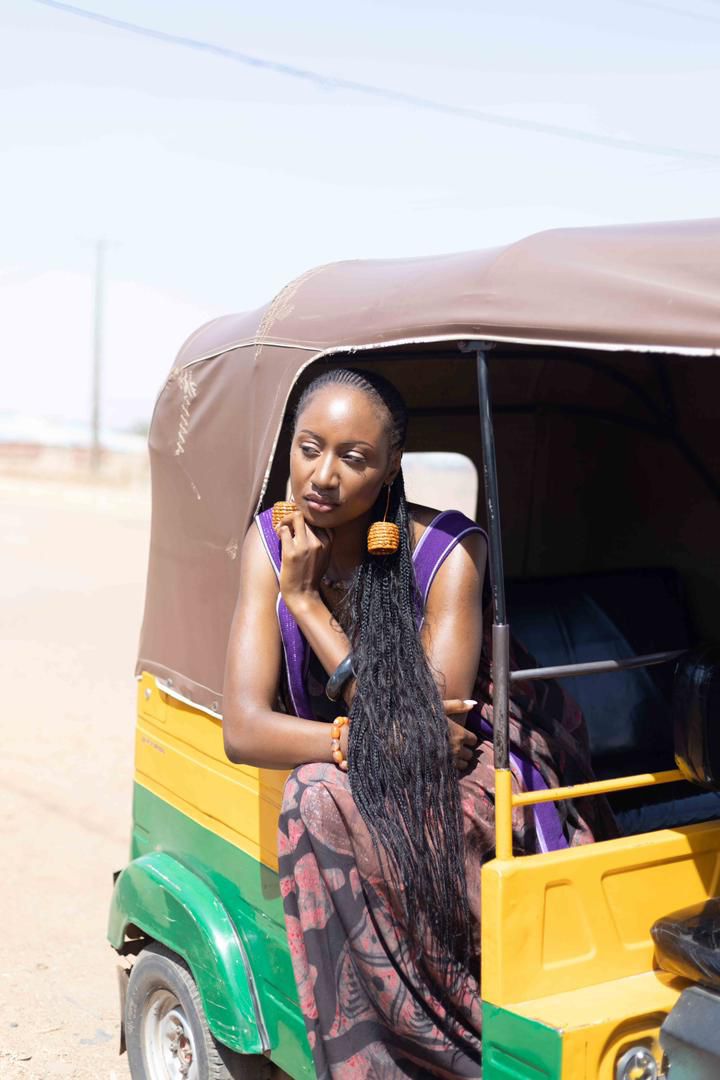
There is a particular kind of care that does not arrive with solutions. It does not attempt to explain away pain or offer grand declarations about how things should be fixed. Sometimes, it simply asks a question and waits for an honest answer. That sentiment sits at the heart of Bella Alubo’s latest single, “Abo Le”, a record that doubles as both a personal reflection and a heartfelt tribute to Jos, the city where she was born and raised.
The title translates to “how are you?” in Idoma, but for Alubo, the phrase carries far more weight than a casual greeting. The song emerged after another period in which Jos found itself making headlines for violence and insecurity. As conversations around the city became increasingly political, Alubo found herself thinking less about public discourse and more about the people living through those realities every day.
“When everybody’s talking about it politically, they stop focusing on the actual people dealing with the actual thing,” she says.
That perspective became the foundation of “Abo Le”. Rather than creating a protest record or a song centred on blame, Alubo chose to make something more intimate. The song functions as a check-in, a moment of acknowledgement directed at a place and a people she remains deeply connected to. It is a record rooted in empathy, one that prioritises human experience over political commentary.
That connection is informed by lived experience. Alubo spent her formative years in Jos, attended university there, and witnessed multiple periods of unrest that disrupted everyday life. She recalls seeing the tensions begin while she was still in school and remembers being less than a kilometre away from a bomb explosion while Christmas shopping with her sister several years ago.
“I know what that fear is like,” she says. “I know what it is to question your life in a moment like that.”
Those memories inevitably found their way into the song, but what makes “Abo Le,” particularly striking is that it refuses to be defined solely by hardship. While the chorus carries the emotional weight of the record’s central message, the verses retain the confidence and personality listeners have come to associate with Bella Alubo. She is still celebrating her wins, still embracing the artist she has become, and still allowing herself moments of joy. That balance reflects how she sees herself.
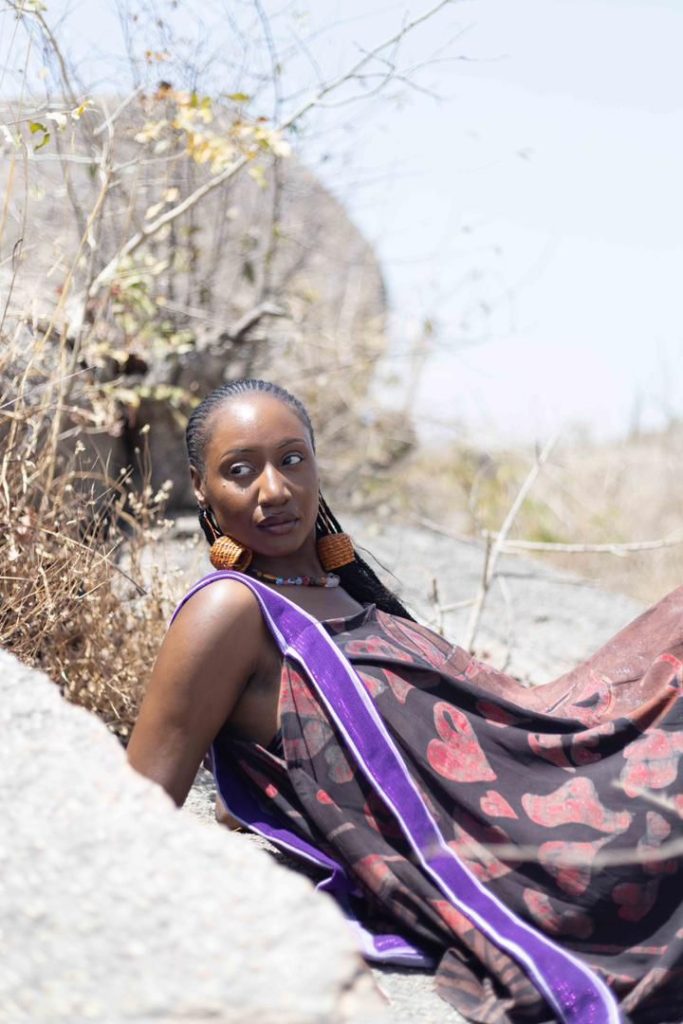
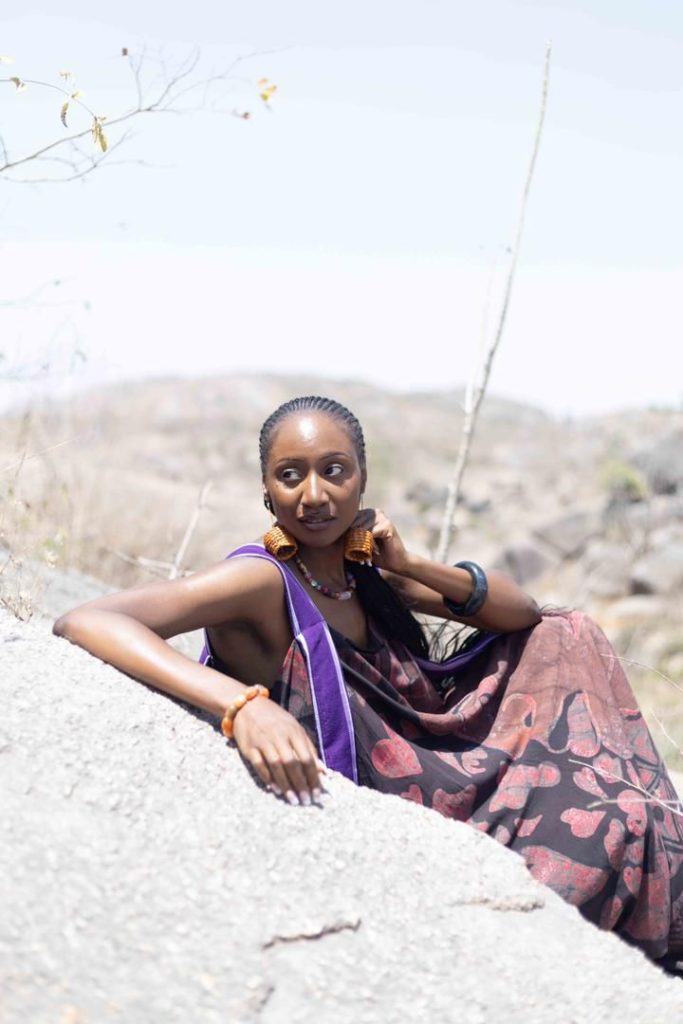
“I’ve never been the baddie type exclusively, or the stereotypic good girl either,” she explains. “I’m a mix of everything that I am, and I feel like this song captures that.”
That sense of duality extends into the visual world of the record. For the music video, Alubo returned to Jos to document the city from an insider’s perspective. Rather than focusing on landmarks alone, she filled the visual with the people who make the city what it is: market women, students, tricycle riders, and residents going about their daily lives. The goal was to present a version of Jos that exists beyond the headlines.
“You hear all these stories and it sounds so far and distant, because if you haven’t lived that reality, it’s hard to visualise, even if you sympathise,” she says.
The production also carried personal significance. Part of the video was filmed at a school founded by her mother, a place closely tied to her upbringing. Returning there allowed Alubo to reflect not only on the city that shaped her but also on the family influences that informed her ambitions.
“It was two things at the same time,” she says. “Going back to a place that actually meant something to me, and representing my mom’s dream. The main reason I dream as big as I do is because of how big she dreamed.”
Throughout the video, Alubo intentionally highlights aspects of Jos that are often overlooked. The city, officially known as the Home of Peace and Tourism, has long been recognised for its distinctive climate, landscapes and multicultural history. By incorporating locations that rarely appear in mainstream coverage, she sought to remind audiences of the richness and potential that continue to exist there despite years of difficult narratives.
“I want people to remember the potential of Jos,” she says. “I want people to remember that Jos is still the home of peace and tourism.”
For Alubo, returning to Jos for “Abo Le,” also became a moment of reflection on her own journey. The last time she shot visuals in the city, she was a teenager recording freestyles and imagining a future in music. Today, she returns as an artist whose catalogue includes collaborations with YCee, Mr Eazi, Sho Madjozi, Niniola and many others. The distance between those two versions of herself remains difficult for her to fully process.
“It’s still crazy to me when I go back to that state of mind,” she says. “I was just some random girl in a small town with no connections whatsoever.”
That perspective ultimately shapes the song’s lasting impact.“Abo Le,” is not merely a record about a city facing challenges. It is a song about belonging. It acknowledges pain without allowing it to become the entire story. More than anything, it is a reminder that sometimes the most meaningful gesture is the simplest one: showing up, asking how someone is doing, and genuinely wanting to hear the answer.
Written by Folake Ajao.
Follow @theimullar on Instagram and X(Twitter) for more.