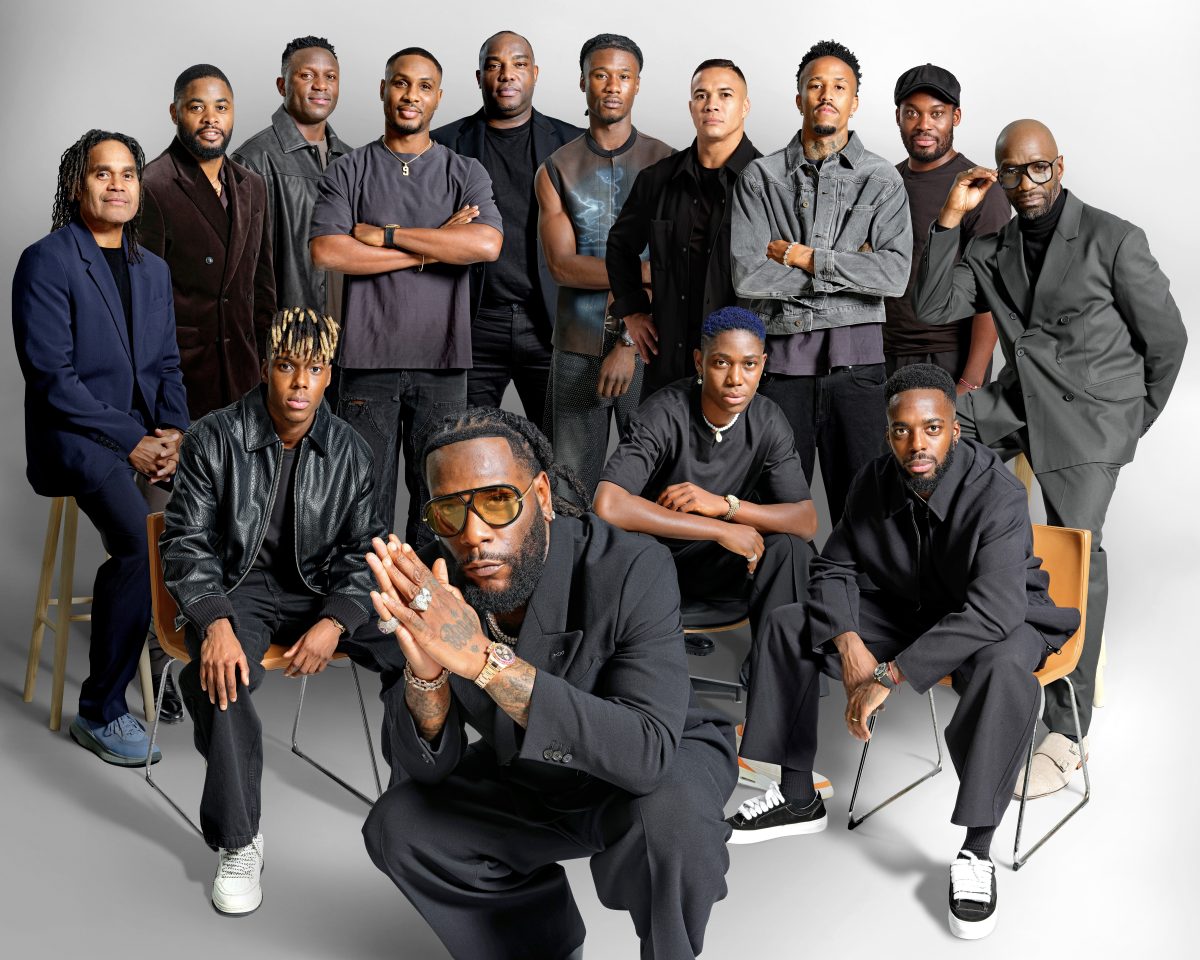
Music and sports have always been inseparable. Since the dawn of athletic competition, where there has been a field, a court, or a pitch, an accompanying melody has never been far behind. Long before the invention of the gramophone, recording devices, or digital streaming, the human voice served as the original stadium soundtrack. Fans chanted, cheered, and screamed at the top of their lungs, transforming raw energy into a rhythmic morale booster for athletes. From the courts of basketball and fields of baseball to the grand stages of football and the Olympics, a distinct musicality has always captivated audiences and bound them together.
Over time, these spontaneous crowd chants naturally evolved into anthems. In Africa, this synergy has deep roots. Even childhood games like “Antoakyire” or “Pilolo” had rhythmic chants, where playful elegies naturally emerged to egg on the competitors. In Ghana, this tradition is perfectly embodied by Jama: a powerful form of musical war chanting characterized by infectious instruments, driving harmonies, call-and-response vocals, and unforgettable hooks that can electrify any sporting atmosphere.
As the world transitioned into the digital age, the integration of music moved far beyond the bleachers and rafters. Music became institutionalized within sports culture, woven into the very fabric of pre-game rituals and tournament identities. The Olympics and the FIFA World Cup pioneered this, commissioning official theme songs that define entire sporting eras.
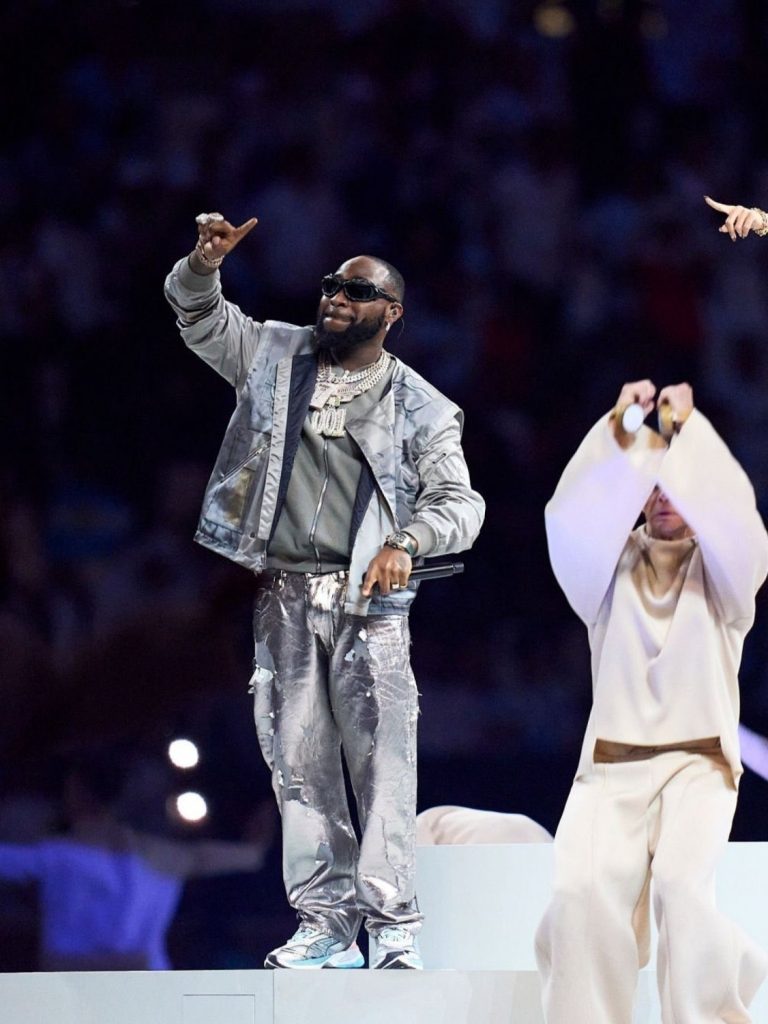
Nowhere is the marriage of music and sports more meticulously celebrated than in American sports culture. The NBA All-Star Game features marquee halftime performances by global icons, but the absolute pinnacle of this fusion is the NFL’s Super Bowl Halftime Show. The Super Bowl halftime performance has become a cultural institution in its own right. While millions tune in to watch two titan teams clash for the championship, millions of others tune in strictly for the musical spectacle. In fact, the halftime headliner is routinely announced months in advance, meaning fans often know who is performing at the Super Bowl long before they know which teams will actually play in it. That reality alone speaks volumes about the equal footing music shares with modern sports.
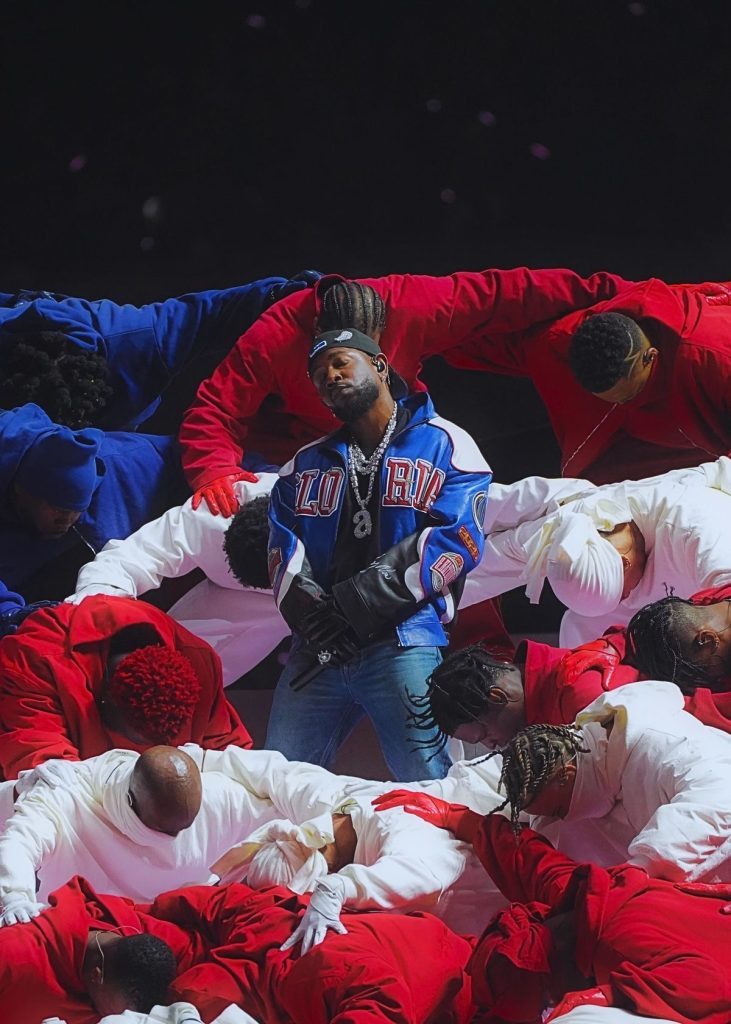
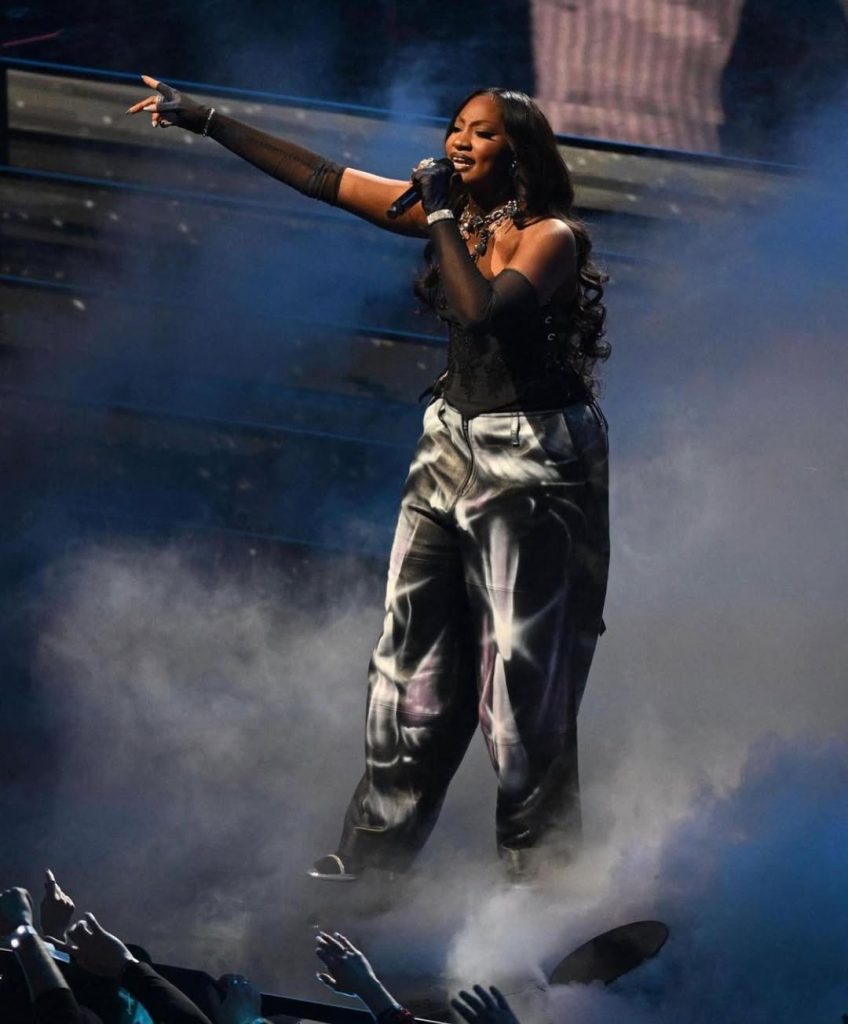
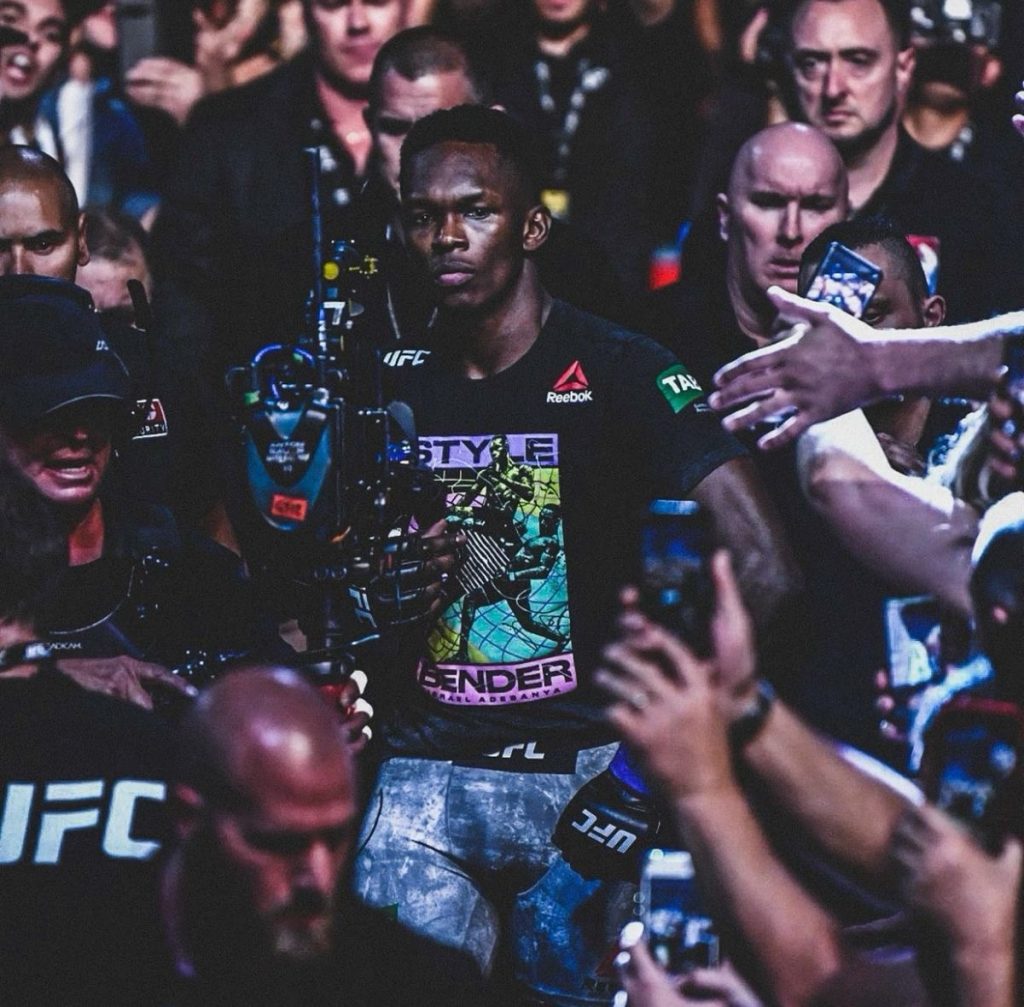
Combat and entertainment sports rely heavily on the sonic experience to construct their larger-than-life spectacles. In organisations like the UFC and various boxing federations, a fighter’s choice of walkout music is a crucial element of their competitive persona. Transforming the arena with carefully selected licensed tracks, or heightening the drama by having recording artists performing a fighter’s entrance theme live as they march toward the ring, creates a visceral, cinematic tension that primes the audience and the athletes for battle. Nowhere is this theatrical audio design more calculated than in the WWE. In professional wrestling, entrance music is a character identity. Composers, rappers, and rock bands are often commissioned to craft bespoke, personalized theme songs for individual superstars. These audio cues ignite the crowd the exact second the first note hits the stadium speakers, a vital part of the performance architecture.
A similar phenomenon exists within global football. FIFA World Cup anthems have birthed timeless cultural moments: from the vibrant energy of the 2006 tournament soundtracks to Shakira’s unforgettable “Waka Waka (This Time for Africa)” for the 2010 World Cup. This musical identity is so potent that it has seamlessly transitioned into sports media and video games. Whether playing Madden, EA Sports FC (formerly FIFA), or Pro Evolution Soccer (Winning Eleven), the curated soundtracks have become legendary, embedding both original tracks and classic hits into the memories of gamers and sports fans alike. On social media, we constantly see edits of major sports highlights or compilation videos set to an accompanying record. A way to even promote a song and a player/team/competition concurrently on Instagram, X(Twitter), TikTok and more.
“Whenever you hold a memory of a historic game, a dramatic semifinal, or a championship final, that memory is almost always anchored by a sound: a chant, an anthem, or a stadium track.”
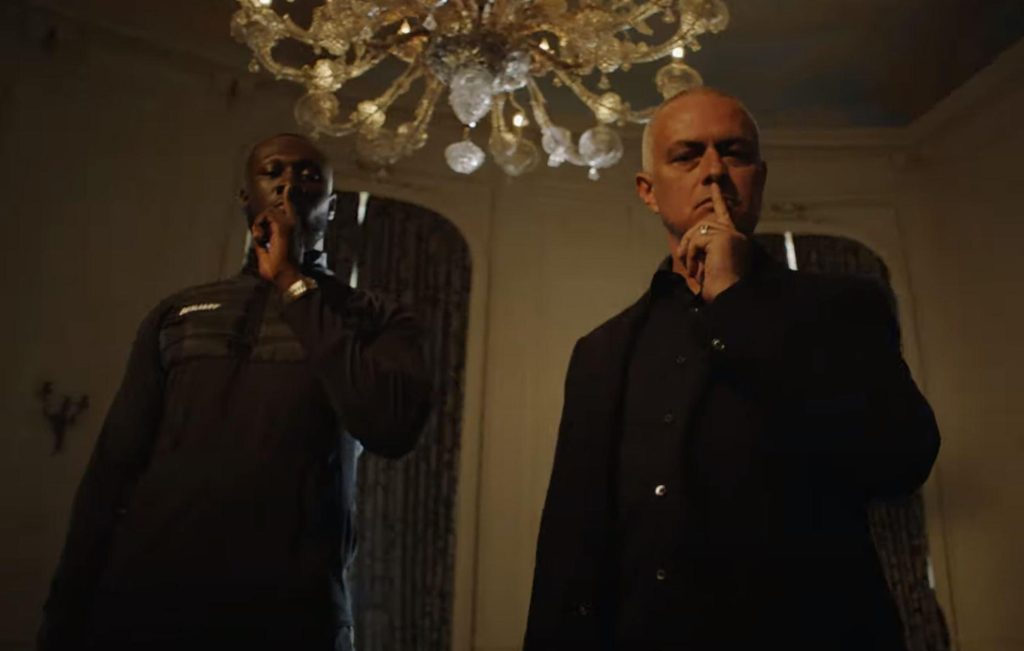
Today, the boundary between the locker room and the recording studio has completely dissolved, resulting in a fluid intersection where elite athletes, coaches, and iconic musicians seamlessly share the cultural spotlight. We regularly see top-tier musicians sitting courtside at basketball games or celebrating in the stadium stands, embracing their favorite players after a hard-fought victory. This crossover is vividly apparent in modern pop culture, such as when the legendary football manager José Mourinho made a highly talked-about cameo in the music video for Stormzy’s hit single “Mel Made Me Do It”. Similarly, the camaraderie extends straight into the world’s biggest clubs; Nigerian artist Skales was famously invited right into the FC Barcelona locker room after his track “Shake Body” became a viral sports anthem, and songs like DopeNation’s “Kakalika” became a soundtrack blaring from the speakers during team victory parades.
The symbiosis between these two worlds is perhaps most evident when athletes actively cross the boundary line to forge musical careers of their own. In Ghana, legendary striker Asamoah Gyan famously stepped into the booth to collaborate with the iconic Hiplife artist Castro. Together, they delivered a string of massive, classic records like “Odo Pa”, “Do The Dance”, etc that remain staples on dancefloors today. More recently, Nigerian midfielder Alex Iwobi, operating under his musical moniker, 17, further collapsed these boundaries by dropping his introspective debut EP, “More To Life”. This reality spans across sports history and disciplines. We have watched NBA titan Shaquille O’Neal dominate festival stages and pack out venues worldwide as a world-class DJ under his stage name, Diesel. The world of combat sports has seen its stars pursue the melodic arts, notably legendary boxer and Olympic Gold medalist Oscar De La Hoya, who released a self-titled album, which earned him a Grammy nomination in 2000.
Ultimately, music and sports represent a beautiful, colorful collaboration between two distinct forms of human creativity. Watching their evolution, from the raw, acoustic stadium chants of yesteryear to official Spotify and Apple Music playlists, World Cup anthems, and blockbuster Super Bowl spectacles, has been nothing short of extraordinary. They are, and will always remain, conjoined twins of the human experience.
Follow @theimullar on Instagram and X(Twitter) for more.