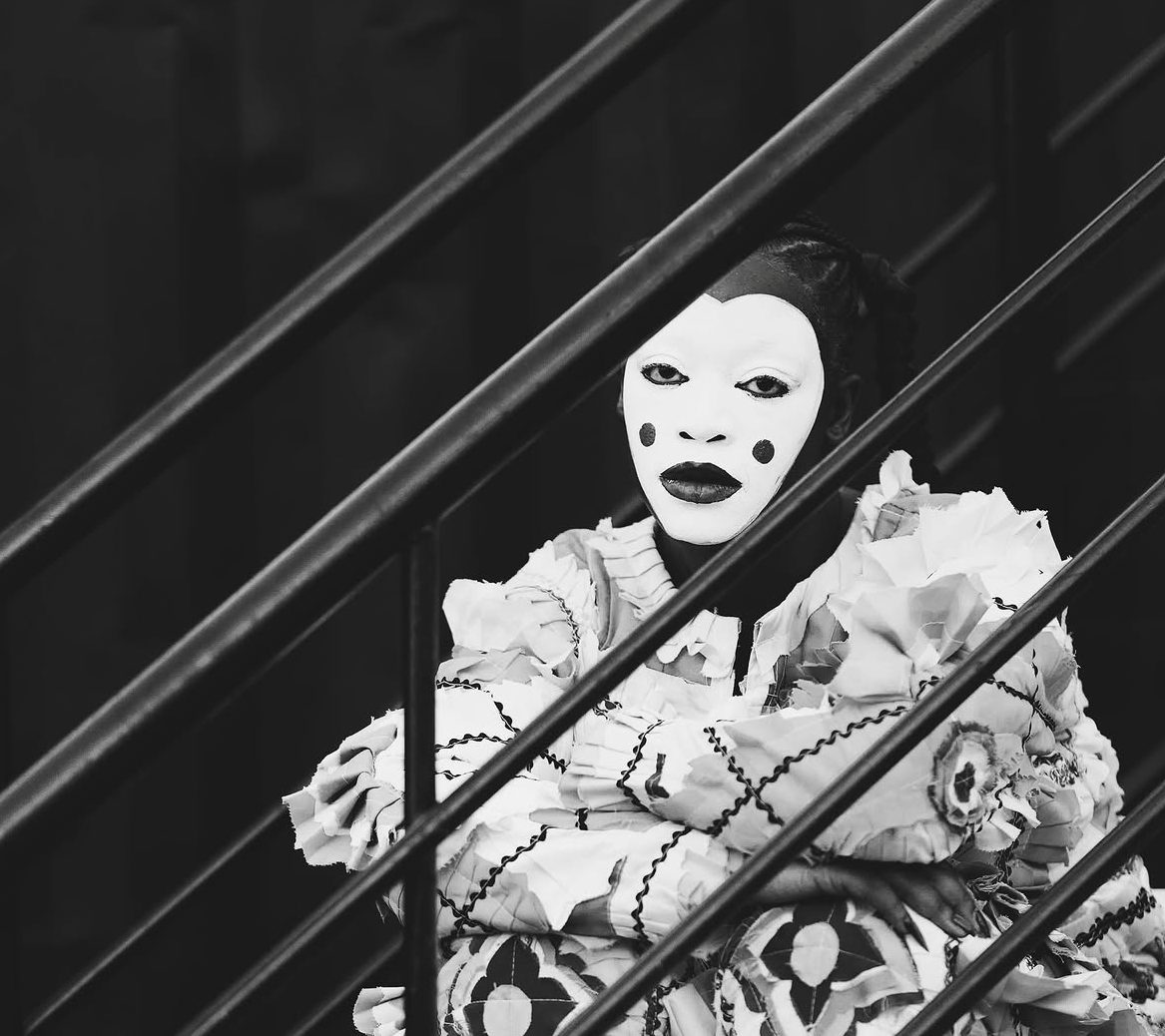
Rie Osei Channels the Agony of a Performative Romance into a Masterpiece of Vulnerability
The architecture of an illusion is built entirely on the roles we choose to play. Sometimes, we willingly step onto a stage knowing the script is a fabrication, reciting lines simply because confronting the emptiness behind the velvet curtain is a far heavier burden to bear. This emotional theater forms the foundation of Rie Osei‘s “Simon Says“, a sonic exploration that emerges from the intoxicating haze of a beautifully curated self-deception rather than the clarity of genuine affection.
On the surface, the title borrows from a familiar schoolyard pastime, serving as an elegant allegory for dominance and orchestration, yet beneath that poised, almost haughty exterior lies a profound, aching vulnerability. It operates as an artistic plea for validation, capturing the desperation of someone so deeply invested in a fairytale that they would rather perpetuate an elaborate facade than accept the painful reality that their romance has transformed into mere performance. The composition balances on the razor’s edge between authority and fragility, between claiming a prize and shielding a soul. While the narrator can weather the agonizing ambiguity of the situation, the ultimate breaking point is the realization that the other person was merely following cues; that their shared choreography was devoid of genuine instinct. By reducing the dynamic to a structured game, the harshness of reality is blunted. It allows both participants to hide behind their respective personas, executing commands without ever exposing their true, defenseless selves. It is a quiet confession masquerading as a melody, a fervent prayer that a worthy partner might eventually arrive to claim a heavily guarded heart.
The genesis of this composition was captured during a fleeting moment of exhausted creativity, which Rie Osei describes as a whirlwind of unfiltered raw energy: “I put the track together in late autumn of 2023, stepping into the booth immediately following an evening out with my close circle. We had spent hours enjoying fine dining, sharing drinks, and opening up about our current romantic entanglements. Despite being completely drained the following morning, the creative spark was there, forcing us to race into the studio even though the arrangement was far from complete. The vocal was captured in just a single pass. Unfortunately, when the time came to secure the proprietary rights for the instrumental, I discovered someone else had already purchased them. The setback was devastating, causing me to abandon the session entirely before I could lay down the harmonic layers, the transitional section, or any final arrangements.”
However, the universe frequently finds a way to breathe life into art that refuses to be buried. Several weeks later, an unexpected trip abroad offered a second lease on life for a track that lacked an official home, as Rie recalls: “A month afterward, a family bereavement required me to travel to West Africa. Taking the stage wasn’t on my radar at all, but after casually mentioning my creative pursuits to a few contacts, I crossed paths with a European musical collective. They extended an invitation for me to join them as a stationary performer at a local upscale venue. I turned down the permanent spot since I was still deeply anchored to the life and career I was establishing back in the Midwest. However, their representation was determined to get me on stage with them, eventually coordinating with television executives at a prominent national broadcast network to book an appearance. Knowing the studio version was locked away, this live platform became the ideal vehicle for the material to be heard. The track resonated so deeply during my live sets that audiences frequently inquired about it, assuming the official release was already widely available.”
For an extended period, the record existed primarily as a phantom in the studio. Various engineers and creators attempted to reconstruct the magic from the ground up, but the unique energy of that initial, imperfect session proved impossible to replicate. The path to finally capturing that lightning in a bottle required returning to the source: “Over the subsequent years, we collaborated with numerous creators to resurrect the track, but the final product always lacked a distinct spark. That initial rendering possessed an intangible aura that eluded us. Ultimately, I reconnected with the woman behind the initial instrumental, commissioning her to craft a sonic sibling to the original. Our main challenge was attempting to mirror a specific acoustic string motif from that first recording that anchored the track’s entire mood. We had session musicians booked to recreate it note for note, but the evening before the tracking date, a whistling hook suddenly popped into my head. I recorded the vocal idea the following afternoon and forwarded the stems to my engineer for the final mix. Hearing that playback, it became immediately clear that the puzzle was complete.”
In that final, minimalist stroke, the piece found its resolution. The song had finally discovered its true voice.
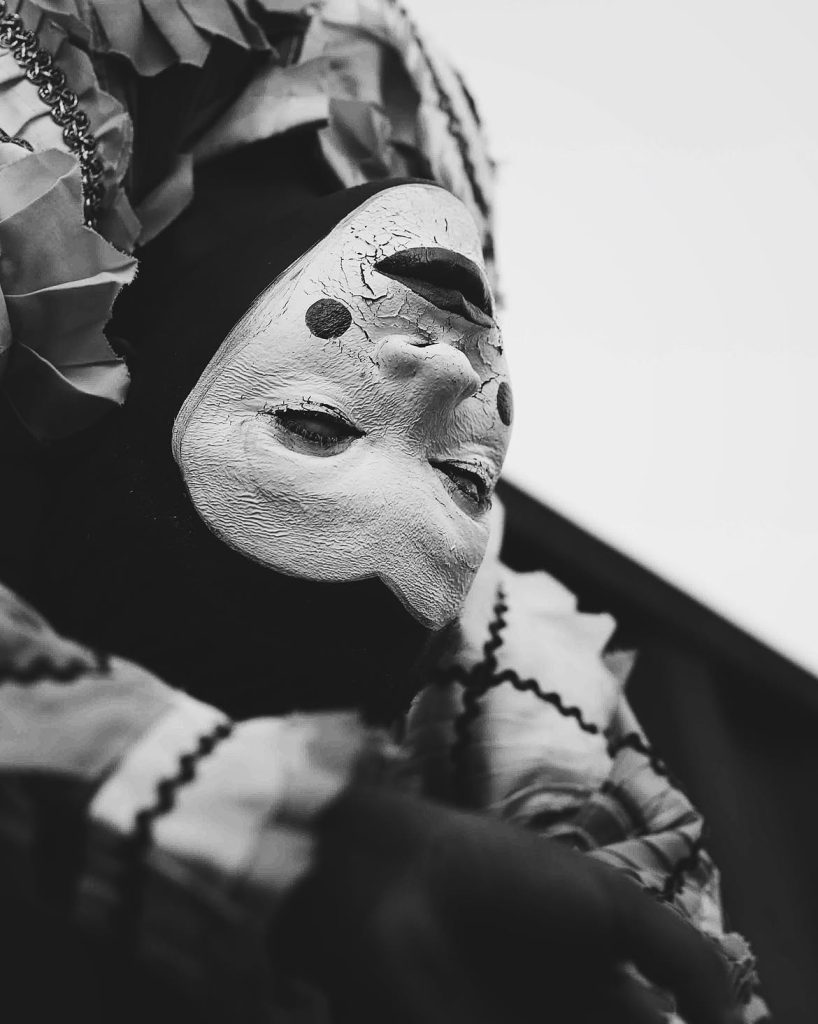
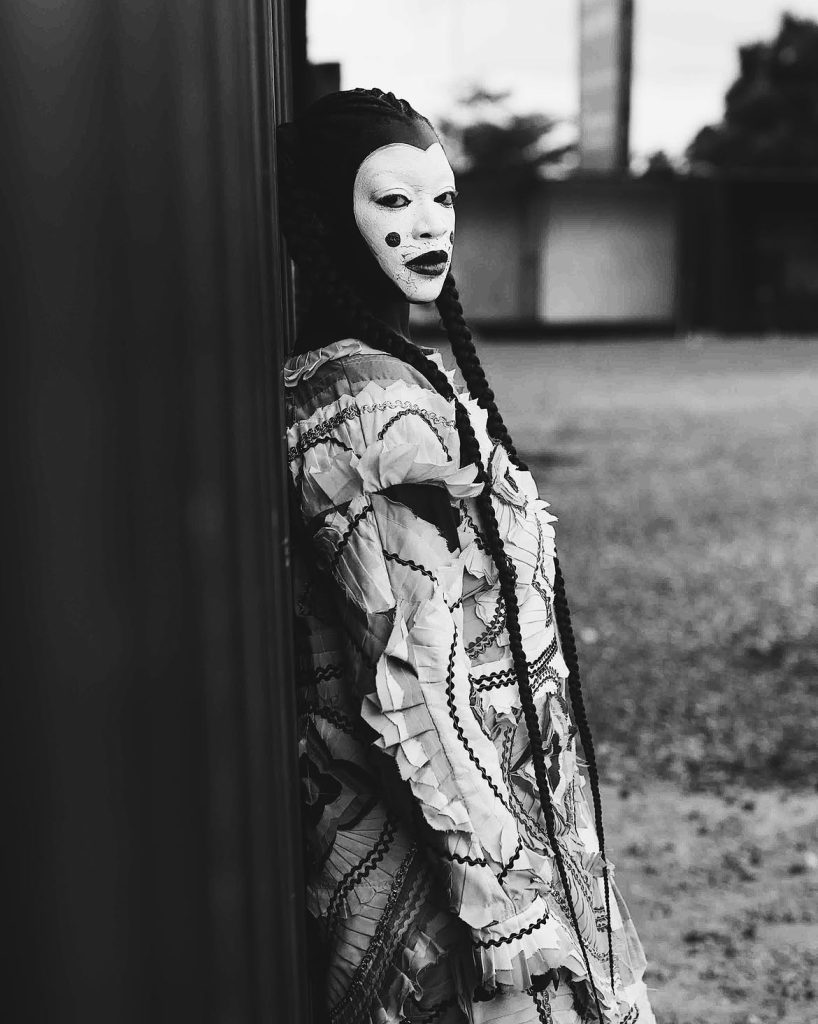
Rie’s new record emphasizes this; The greatest horror story a person lives is not that of Angels and Demons, psychopathic dangers or evil external forces lying in wait to devour us. No. It is the suppression of their true selves for public validation when in reality, no one cares. They lose out on true self-expression, freedom, happiness, artistic and personal growth due to the unwarranted fear of being judged. They deviate from being human to soulless, emotionless, shallow, and expressionless masquerades.
Follow @theimullar on Instagram and X(Twitter) for more.