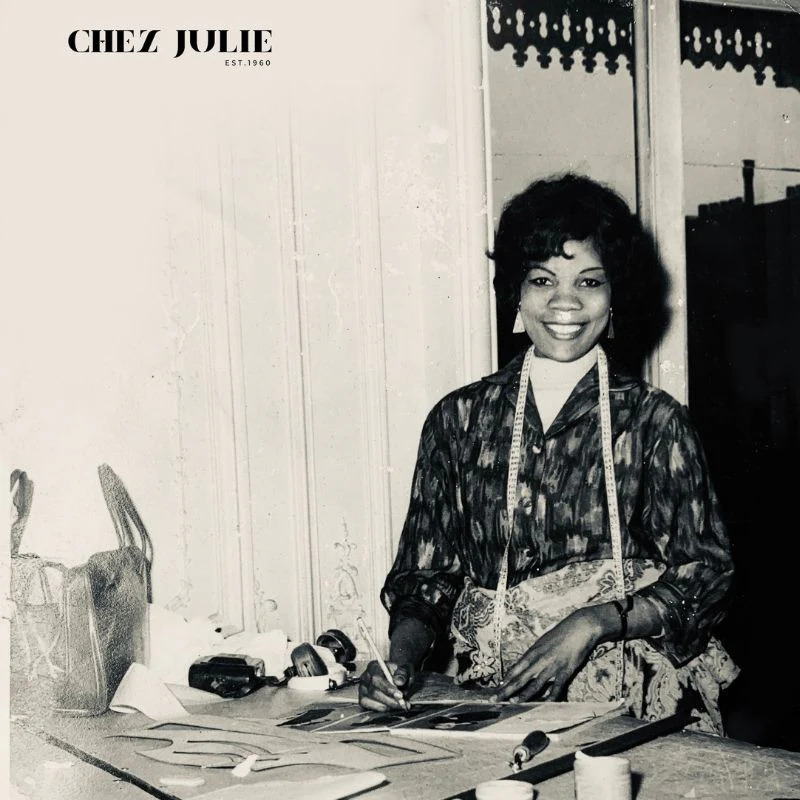
Africa’s fashion scene is now! The world is finally catching on to the amazing wealth of design talent and styles coming out of the continent. From the V&A Museum to the covers of Vogue and the fields of the NFL, Africa’s fashion is in the spotlight. Amidst all this wave of change and appreciation of fashion made in Africa, I keep asking myself, “Where does Ghana stand?” As the first African nation to gain independence from colonial rule, we had a head start. Dr. Kwame Nkrumah, the nation’s first President was intentional about developing a robust fashion industry with different initiatives including scholarships for fashion designers, a move that unearthed talents like the famous Chez Julie (first professionally trained, post-independence fashion designer.)

So, 67 years on, why aren’t we leading the pack like Nigeria and South Africa? Ghana’s fashion scene is a tale of untapped potential and squandered opportunities. Nigeria, for instance, has transformed its fashion industry into a lucrative economic sector, with Lagos Fashion Week serving as a global platform for its designers. South Africa, too, has cultivated a thriving fashion ecosystem, supported by a robust infrastructure and government backing.
Ghana, in contrast, is a fashion pariah. Its fashion week, if it can be called that, is a pale imitation of its counterparts, a lackluster affair devoid of the energy, excitement, and global reach necessary to catapult Ghanaian designers into the international limelight. Beyond the runway, the industry’s infrastructure is equally forsaken. A dearth of fashion schools coupled with a dated fashion education curriculum creates an environment where talent is stifled and creativity is constrained.
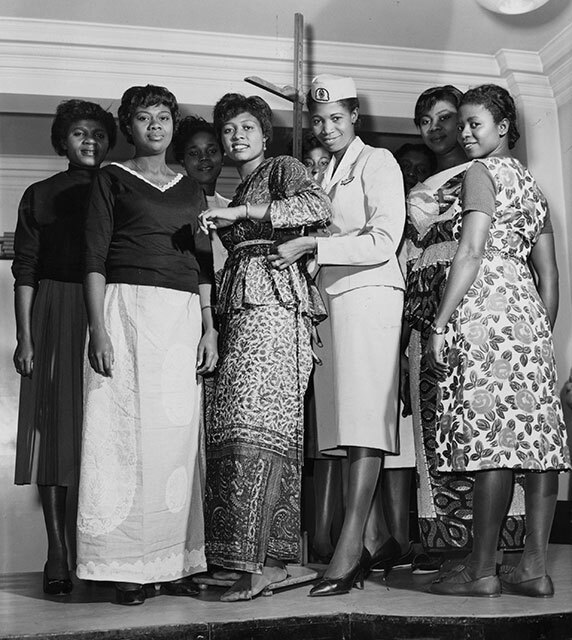
This lack of support creates a vicious cycle. Without a robust ecosystem, designers struggle, leading to disinvestment and a lack of private-sector interest. This, in turn, perpetuates the industry’s marginalization. It’s a classic “chicken or the egg” scenario: the industry can’t flourish without support, and without growth, there’s no incentive for support.
The government’s apathy is particularly glaring. Other nations recognize fashion’s economic potential and invest heavily in its development. Ghana, however, seems indifferent to an opportunity waiting to be seized. Fashion has the power to create jobs, generate revenue, and enhance the country’s global image.

The media too bears some responsibility. Obsessed with celebrity gossip and international trends, they offer scant coverage of Ghanaian designers. It’s as if our vibrant fashion scene is an invisible entity. We need fashion journalists who champion local talent, telling compelling stories about the designers, the brands, and the cultural significance of Ghanaian fashion.
Adding to the challenge, Ghanaian designers often find themselves stuck in a loop of imitation. It’s a race where everyone’s in the same lane, with a lack of exploration in brand positioning. Where are the masstige brands, the premium labels, and the high-street options? Everyone seems fixated on luxury, which requires a foundation many lack. The few who dare to innovate are often blatantly copied. How can the industry grow if it’s constantly looking inward? Originality is paramount. We need designers who push boundaries and a system that supports those breaking new ground. Until then, Ghana’s fashion scene risks stagnation.
A radical overhaul is necessary. Ghana’s fashion industry needs a visionary roadmap outlining clear goals, strategies, and investments. Government, industry leaders, and the media must forge a united front, creating an ecosystem that nurtures talent, empowers businesses, and attracts global attention. It’s time to transform Ghana from a fashion backwater into a global style destination. The potential is undeniable, and the time to act is now.
Written by Eyram Rafael