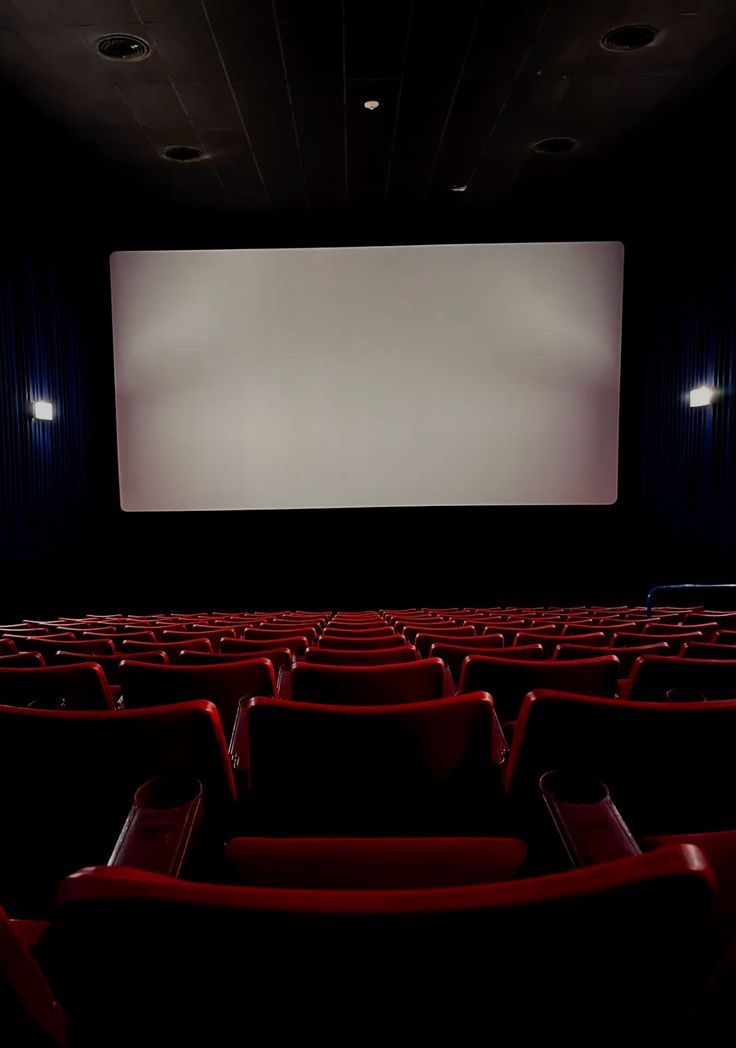
For a relatively small community, the events that transpired at the Silverbird Cinema proved to be a canon event regarding cinema culture in Accra. Growing up in Accra, my earliest memories of cinema were standing in front of TV shops on streets as they showed movies, community viewing periods, and the old-school neighbourhood film centres, which charged about 5 cedis per film to watch your favourite movie, be it “Snake in Monkey Shadow”, “Crouching Tiger Hidden Dragon”, “American Ninja”, or “Terminator”.
I remember visiting about three different film centres all over Ashaiman: one behind the old market close to the Zenu station, another close to the Traffic down the main station lane, and one around the Queens Hotel. Eventually, these neighbourhood film centres would collapse with the introduction of mainstream cinemas like Global Eagle Cinemas and Silverbird.
While Silverbird remains Accra’s go-to cinema, there have been recent community cinemas hosting film shows and viewings across the region, indicating a growing interest in cinema culture. For “normies” like myself who have experienced some memorable cinema moments at Silverbird, seeing the cinema culture spread so wide and seeing small communities like the Anime community in Accra show up in numbers for the premiere of the new Demon Slayer “Infinity Castle” on September 4th was very great to see.
As mentioned earlier, there have been other smaller movie enthusiast communities who are pushing film and cinema culture across the region in their own small way. However, the big concern within the film community is the unsatisfactory growth of the Ghanaian film industry as a whole. While we have seen some amazing movies from popular production houses and indie ones, the state of the movie industry in general has been under serious fire.
While some have said there is very little support from the government and the Ghanaian consumers, this writer feels there seems to be some disconnect somewhere. While I agree on the lack of government support, I will disagree with the lack of support from consumers. Despite being a “normie,” I am a fan of movies and theatre, and I have attended several film shows and seen firsthand how supportive Ghanaian film consumers are. While directors, producers, and actors like to blame consumers, consumers have also pointed fingers at them for not producing great films as compared to what is being patronised elsewhere.
Case in point, there have been times consumers have shown up in numbers for the film industry, be it at premieres or viewership on streaming platforms. Community events like Barnflix, a weekly film show in Accra that brings film lovers together to watch movies, as well as what happened at the premiere of Demon Slayer, are anything to go by. Is the disconnect, and what can be done to increase patronage of Ghanaian films from the perspective of film enthusiasts?
To help us gain more insight into this, we speak to some film/movie enthusiasts about cinema culture and patronage of Ghanaian movies.
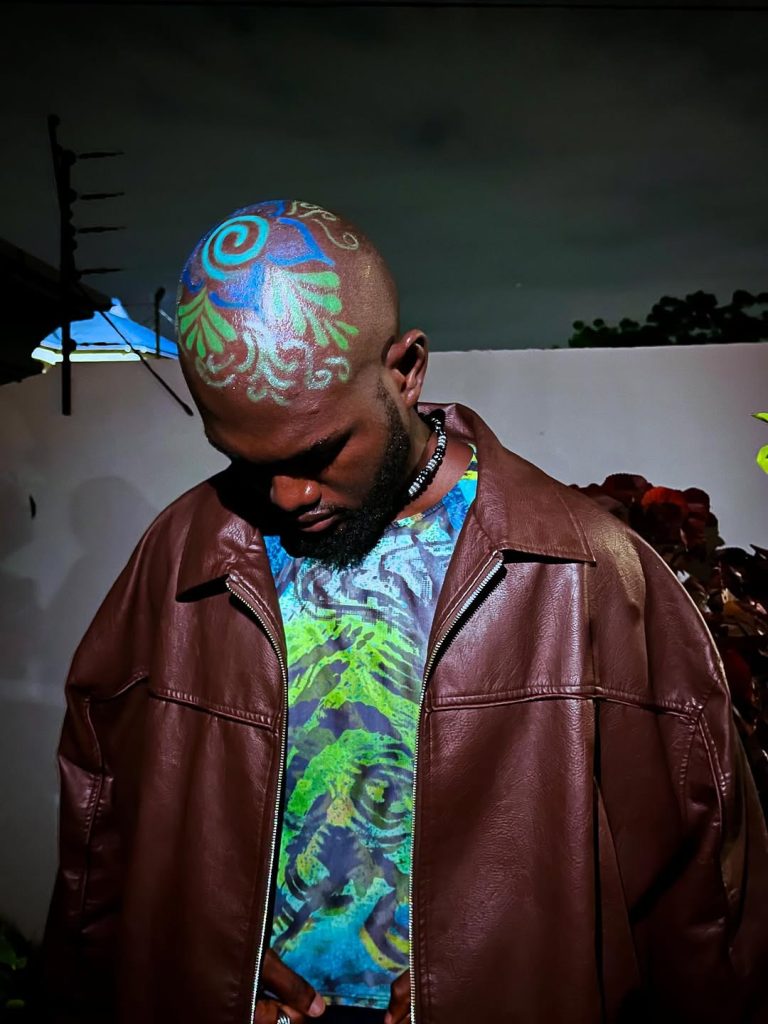
My first cinema experience was a screening of Ant-Man (2015). I went with some friends after a wedding, and I had a lot of fun! As far as the Ghanaian movie industry is concerned, there are a lot of talented filmmakers and actors in the industry. I see more and more of their works and check them out when I have the chance. I believe they need all the support they can get. In terms of Ghanaian cinematic experiences, I think a very key experience people are looking for is community-focused ones. Rereleasing popular old films either in cinemas or in communal spaces would go a long way to build interest in the movies we produce in the country.
My favorite cinema moments are Avengers: Endgame, Spider-Man: No Way Home, and Barbenheimer.
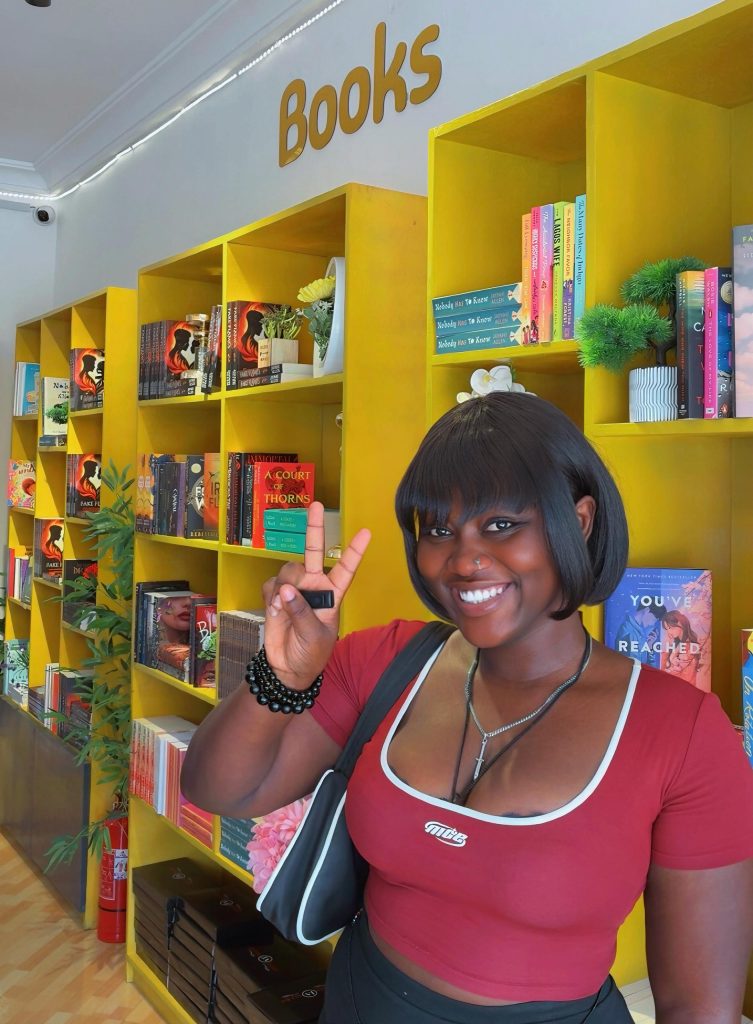
My first cinema experience was in 2023 (The Creator). Yes, I’d missed out on all the amazing blockbusters because I loved to watch films from the comfort of my home, but after experiencing a film on the big screen, how loud everything was, & seeing lots of strangers in tune with me experiencing that one film & knowing most felt the same way I did, it was a beautiful feeling…I became a fan & I saw visiting the cinema as my little way of contributing to the industry I love, so I visited it more often, and I’m now a big fan…I go there at least once every week & it’s also been an avenue to meet some mutuals online who share the same interests when it comes to films.
When it comes to Ghanaian cinema, there’s been a huge decline…lots of factors can be attributed to this: quality issues, distribution problems (lack of cinema infrastructures/exhibition spaces in other regions), Internal industry conflicts, funding, lack of support from audiences who feel our industry failed to evolve with them, etc. If we’re giving the people good stories with exceptional direction & performances, the work will speak for itself…people want to know they’re getting their money’s worth & they would show up…so we’d have to do a lot of reassessment, unlearning, adapting & all that.
We have amazing filmmakers. I’ve had the chance to watch some really amazing African short film screenings that Joewackle (filmmaker) hosts, & I must say, the future of Ghanaian cinema is in good hands if the talented filmmakers are given the platform & funding to tell their stories. Some of my favourite cinema moments are when I went to watch Dune 2, Singham Again, and Demon Slayer: Infinity Castle

If I remember correctly, my first cinema experience wasn’t even in Ghana. It was in the US, and it was a film called The Odd Life of Timothy Green. And it was such… a good film. I can’t remember the story now, but I remember sitting in the theater with my sisters and my mom, and my aunties. We watched this movie, and we laughed, and we cried.
I have not watched many films by Ghanaians in the cinema. I know the work they are putting in, and I will say that the industry has improved drastically from when I was a child. I think the stories have progressed significantly. But to see further progress, I think we need to make more films that are relatable to Ghanaians. I think if we did more films that the average Ghanaian can relate to, it’ll be easier to market them. But if we are doing Hollywood-style productions for people who are not really interested in watching the Ghanaian version of Hollywood, we are not really going to progress. The reason why the Nigerian film industry is progressing is that they are doing films that are relatable to Nigerians. Nigerians who are watching are like, “Yes, this is something I can watch because it’s something that I can relate to.” A lot of films that come out that are authentic are doing well. We also need to invest in proper talent. I feel like, nowadays, casting directors are giving opportunities to non-actors. People with more followers and influencers with low backgrounds in acting and with low understandings of film, and it’s not right. I mean, there are so many great actors, struggling actors who are talented, who deserve the opportunity to bring stories to life if they had the opportunity to do so. I’m sure if we invest in good production and casting, we could go farther than we are right now.
My favorite cinema moments are when I watched Endgame and Spider-Man: No Way Home (the cinema was packed with a bunch of other Marvel lovers, so everybody was really enjoying it and was hyping up the guest actors when they popped on screen). I recently went to watch Sinners, and I think that was really exciting as well. I just like the feeling of community you get from sitting in the cinema. All of us just love films, and we just want to sit down and watch and be excited. You can feel the energy; you’re not screaming alone if it’s scary, and you’re not laughing alone if it’s funny. You’re not crying alone if it’s sad; everybody is experiencing the same thing you’re experiencing. It’s a very lovely community to be a part of. It’s one of the best parts of being a film lover: the sensation of being in the dark cinema hall, experiencing a new film with other film lovers.
Written By Nana Kojo Mula.
Follow @theimullar on Instagram and X(Twitter) for more.