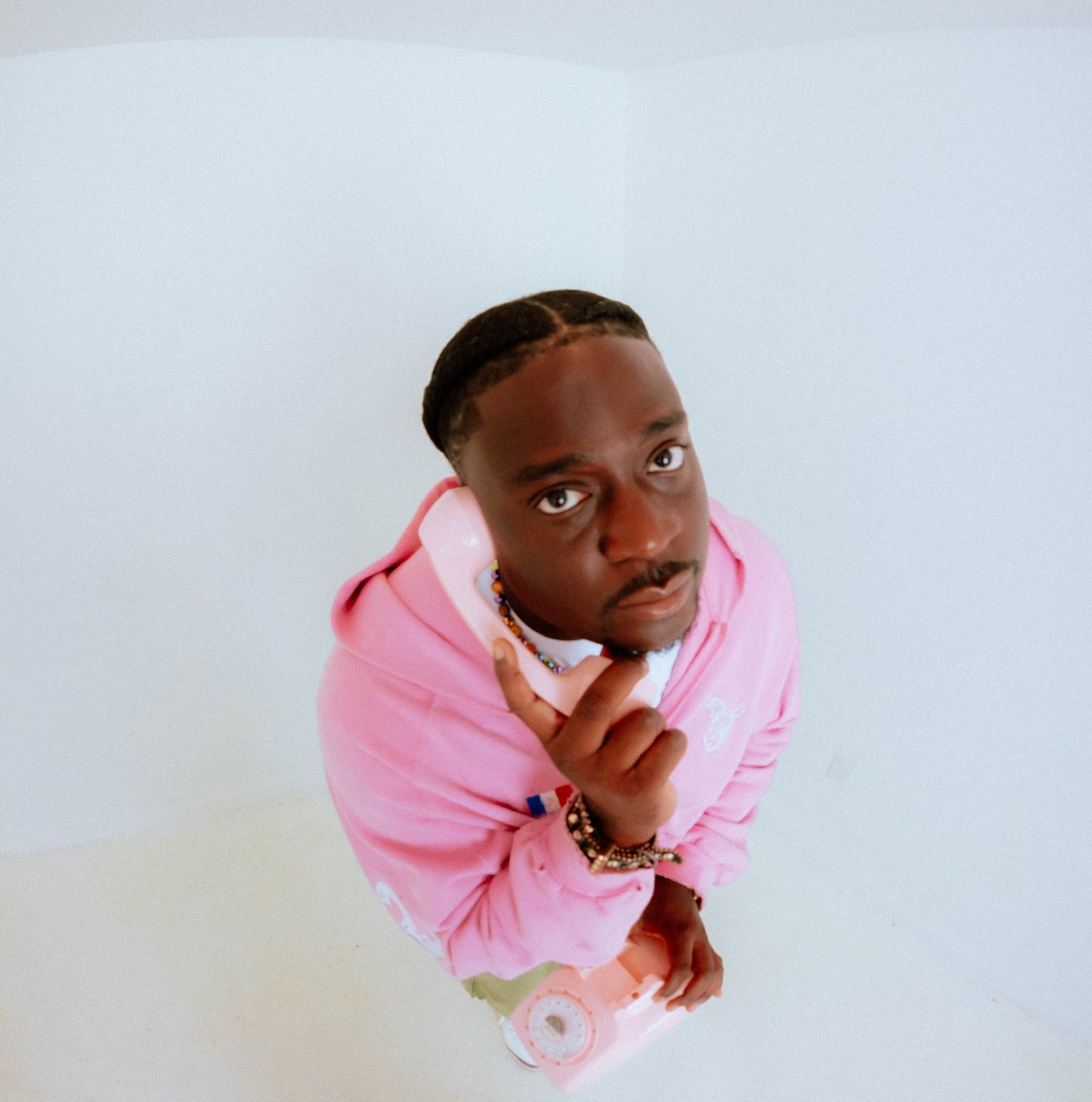
Written By Piway Loko.
Growing up between Lagos and Atlanta, dndSection belongs to a generation of African artists whose identity naturally exists across different worlds. Nigerian by roots and shaped by one of America’s most influential Black cultural capitals, the independent artist translates this duality into music where Rap, Hip-Hop and African influences constantly intersect. 2026 has given that vision a new dimension. Following the release of his latest EP “419.mp3”, dndSection has seen tracks such as “Moët” travel beyond his immediate community, while continuing to build his universe independently alongside the collective House 419. We sat down with him to discuss his journey between Lagos and Atlanta, the creation of his latest project, authenticity as an independent artist and the community behind his growing momentum.
How has 2026 been treating you so far?
I’m good. I think the main word to describe this year in every aspect of my life, relationships, friendships, discipline and music, is consistency. That’s something I haven’t always had, so this year I really wanted to stick to it. It’s probably the best headspace I’ve been in for a long time. Once you become consistent in the majority of things in your life, it leaks into the things you really care about. Consistency and discipline have been my two main things.
What would you consider your biggest milestone of the year?
Putting out my project. Sometimes with milestones, we get caught up in what the external world gives us rather than what we internally do for ourselves. Putting this project out for myself is ultimately what has brought me external success. I always wanted to release an EP that felt like this. Sometimes you can have an idea, but executing it is completely different. So, releasing this project was definitely my number one milestone.
For people discovering dndSection for the first time, how would you define yourself and your music?
I pride myself on being a multi-genre artist. I try to blend African influences with Hip-Hop and Rap, but my music is really experience-based. It’s not about waking up and deciding I want to be an Afrobeats guy today or a Hip-Hop guy. Everything depends on how I feel at that moment.
I think music is a feeling thing. If you think about music too much and try to turn it into a formula, it’ll punish you. Every song feels like a journal entry to me. They’re little pieces of my life that I happened to catch in real time.
Where did that relationship with music originally start?
I always wanted to make music as a kid. One of my earliest memories was hearing the Styl-Plus CD with “Imagine That” while going to school in Nigeria. Then I remember hearing 50 Cent for the first time and thinking he was the greatest artist ever. Those two moments are important because I’m influenced by two different sides of the world. Later, I got my first laptop and microphone and started recording with my friends. By my freshman year of college, something switched. I realised I didn’t want to party anymore; I wanted to make music. I felt like my gift to the world wasn’t sitting behind a desk. My gift was music. I locked in at that very moment.
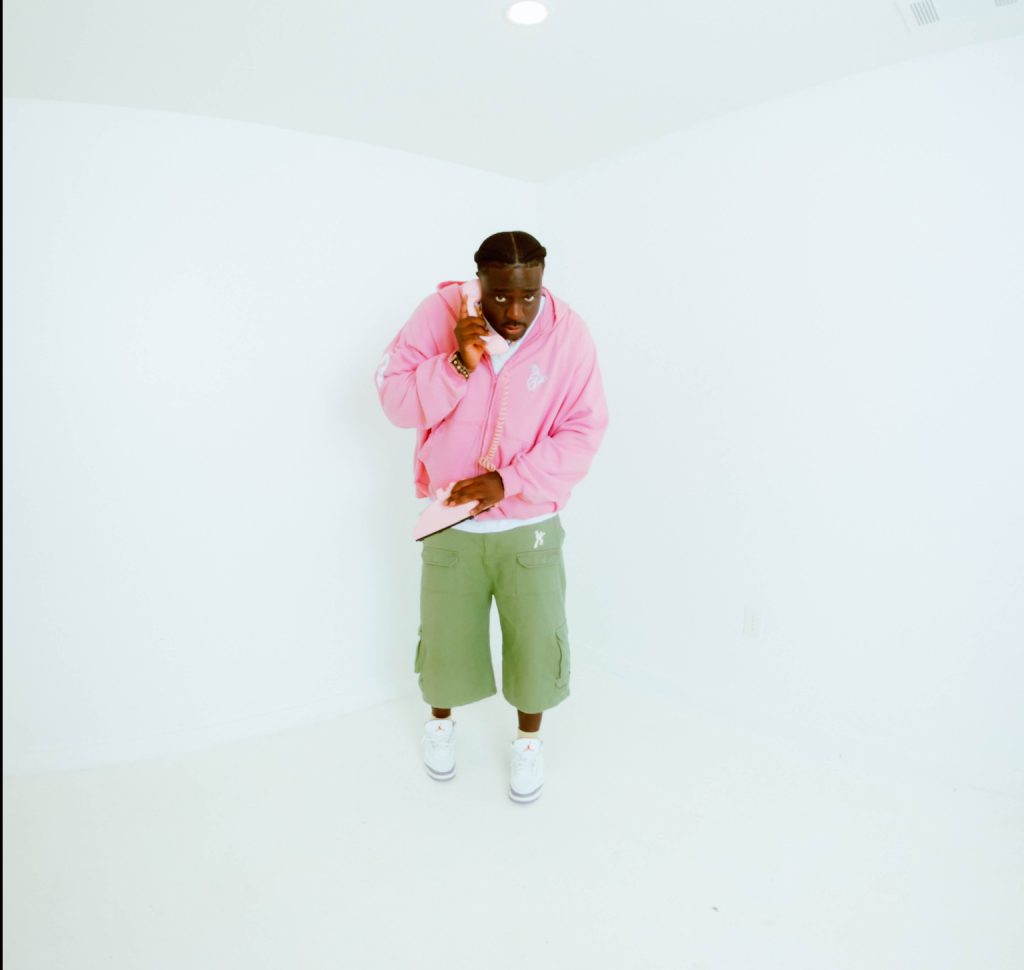
You have Nigerian roots but have also spent most of your life in Atlanta. How do you balance both cultures within your music?
I don’t think it’s difficult to balance because I live it every day. I can’t change the fact that I’m Nigerian, and I’ve been in Atlanta since I was ten. Both are embedded in me. I genuinely believe I grew up in two of the most culturally important Black cities in the world. Lagos is incredibly important to African culture, the music, fashion, style and frequency that come out of that city. Then Atlanta is the Hip-Hop capital of the world and such an important city for Black culture in America. I get the advantage of seeing and living both sides.
You described your life as “a tale of two cities.”
That’s probably the best way to describe it. My life is literally a tale of two cities. And Lagos will always be crucial to my story. My family is there and I do most of my recordings there. If I’m not in Lagos for at least three or four months during the year, I don’t even know if I can cope. Lagos is home. Atlanta is just where I live.
Davido was also one of the first major artists to support you early in your career. How did that relationship happen?
I released a song called “Know Me Well” in 2021. A few months later he came to Atlanta, we linked up and ended up recording two songs. They never came out, unfortunately, but I think we’ll have another opportunity to work now that I’ve refined my sound. Davido has always shown me love. He was the first major artist to co-sign me, so I’ll always be grateful for that.
“Moët” has become one of the standout records from the project. How did the song come together?
It started from a conversation with my DJ, DJ Bowo, and his brother. We were talking about sampling some of our favourite Nigerian classics and he suggested I work with Destiny. Destiny and I first made “House Boys Up”, which is track three on the project. Then he gave me another idea. He had flipped a sound that was going viral on TikTok and put different drums underneath it. As soon as I heard the drums, I was like, “Yo, these drums are crazy.” I sat with the beat for about a week. Part of my process is driving around and hearing a beat over and over again. Eventually, the first melody came and then the lyrics started developing. When we got to the drink reference, we tried Casamigos, Azul, Dom Pérignon, and then I said Moët. Once I recorded it, it felt right.
What were you trying to achieve musically with the track?
I wanted to keep the verse simple. Literally one or two words per line in certain places. I also restructured the entire song the next morning because I wanted it to have the perfect frequency for a DJ. I wanted somebody to be able to transition naturally into it at a party and for it to immediately feel like a moment.
How do you look back at “419.mp3” now that people have had time to receive it?
I’m extremely proud. Anytime you put yourself out there, it’s difficult, so I’m happy that I did it. What’s cool is seeing how people are receiving something that I didn’t necessarily make for everybody. I really made this project for my friends. I write, I mix, and I mixed the project myself. I don’t have a huge team. I’m still an independent artist, it’s basically me, my camera guy and my manager waking up every day thinking about how we can continue putting our art into the world. This is probably the happiest I’ve ever been.
You recently shared a video of yourself performing in front of a relatively small crowd, which is something many artists would probably avoid posting. Why was it important for you to show that?
I was opening for Asake and, honestly, I expected to go out in front of maybe a thousand people. There were probably around 150 people there. At first, I didn’t feel great about it. Then I thought: if I can make those 150 people fans and they stream my song once a day for seven days, that’s already a great number. I shared it because sometimes it’s important to show people what it really takes. I don’t want to be one of those aesthetic artists because I don’t think that’s how you connect with people. My music comes from a pure place, so I want people to understand the reality too. Everything isn’t always pretty. Sometimes people see the views, the likes or 100,000 plays, but that doesn’t remove the real-life aspect of pursuing this.
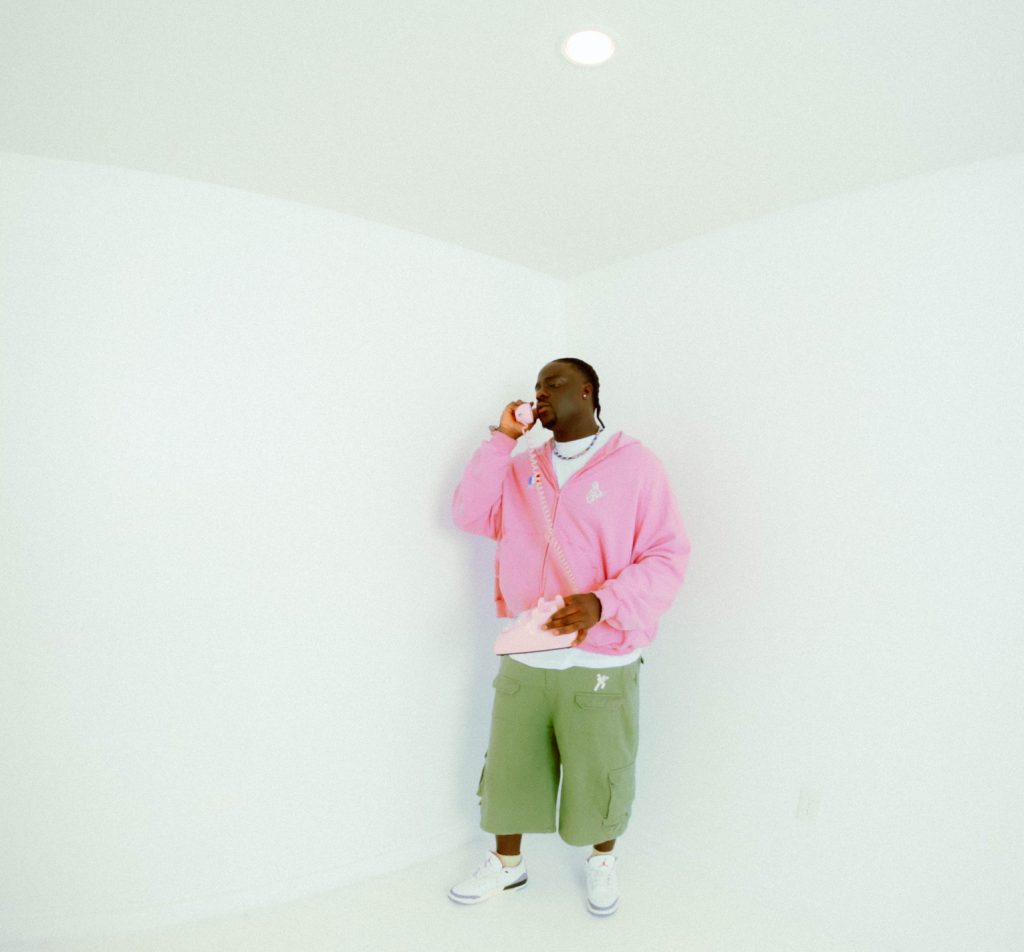
What did the reaction to that post teach you?
The response was crazy. So many people messaged me, including younger artists saying it inspired them. I’m trying to build a community where it feels like we’re all in this together. It’s not, “Look at me, I’m an artist.” It’s more: I’m a guy chasing my dreams the same way you’re chasing yours. I also posted it for myself because I want to come back in a year and look at that moment. I know that a year from now, that won’t be the situation anymore.
What advice would you give to another developing artist going through those same moments?
Pray without ceasing. If things are good, pray. If things are bad, pray. But you also have to put in the work relentlessly. There will always be that voice asking you, “Is it worth it? What’s the point? Is anybody even going to care?” You must keep doing it anyway. That’s the difference between good and great. Great people fight through that voice telling them to wait until tomorrow. Whatever it is you want to do, you’ve got to go do it today.
Community seems to play a major role in what you’re building. How have you developed yours?
My friends and I started something called House 419, which inspired the project title “419.mp3”. The idea was that when DJs come to House 419 and plug their USB into the CDJs, “419.mp3” would be the file they click on. The project represents the sound and frequency of our parties. We started throwing parties and community events in Atlanta. We do different activations and recently had around 1,200 people at one of our events. We wanted to create something that feels like the diaspora, something catered towards people who want to understand Africa more, or people who simply want a piece of home in Atlanta. I know that community is one of the reasons this project is seeing the success it has now. They’re pushing it.
What can we expect from dndSection for the rest of 2026?
More music, more videos, and more of me. I want people to know my personality better, and I want to keep finding unique ways to put myself out there. Most importantly, I want to continue connecting with people on a personal level and releasing music that has high frequency and good energy. I want to be everywhere. And we definitely have one more single coming before the year ends. Trust me, it’s going to scatter everywhere.
Follow @theimullar on Instagram and X(Twitter) for more.