This independence day, we celebrate some of the great visionary minds in the music industry who have paved the way for many both in Ghana and in the diaspora. Hip-Life as a genre defined the vibrant youth and music culture experienced in the 90s, and today, we see its influences in the rise of genres such as Ghanaian drill. A big part of Ghanaian ingenuity is having the audacity to push for your dreams and your visions despite the dominating voice of one’s surrounding environment. Today we celebrate that audacity.
1. Reggie Rockstone
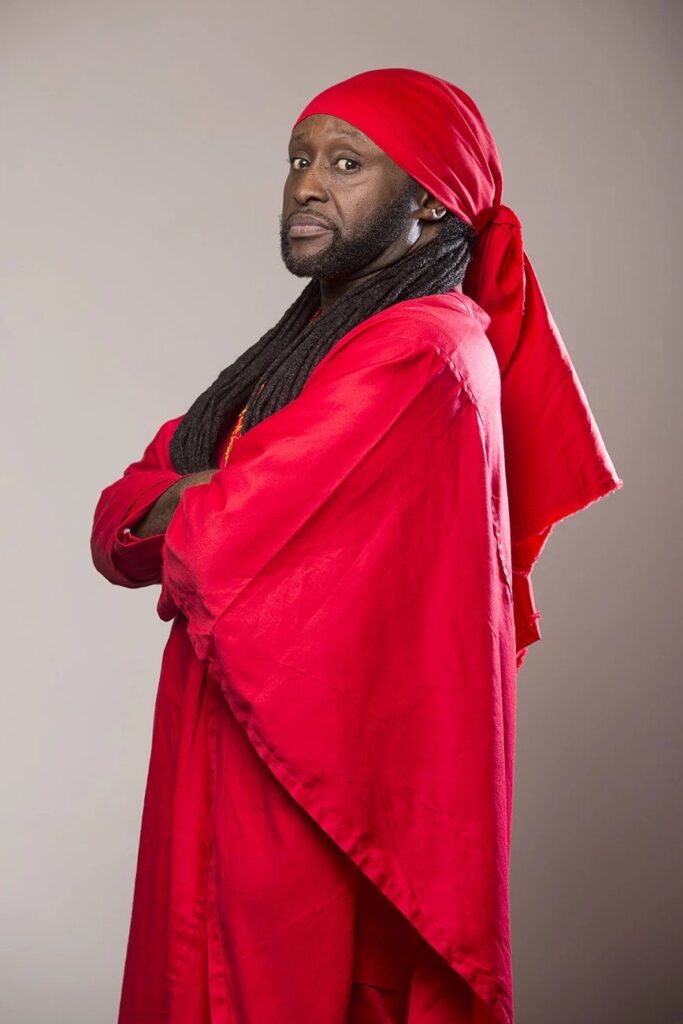
Reggie Rockstone moved to Ghana in 1994 after hitting a wall in the music scene back in the UK. To create hard-hitting hip-hop music whilst staying true to his Ghanaian roots, the music veteran began to make music that fused the Ghanaian language, rap rhythms, and cadence with classic hip-hop and boom-bap production styles. This uniquely Ghanaian delivery of verses on his songs was born from the hi-life genre. It is said that his confidence and charisma took him a long way in selling this new sound to the Ghanaian people. His unique blend of Twi and English in an American accent served as a point of intrigue for listeners. His debut album Makaa Makaa in 1997, took the streets and airwaves by storm, inspiring artists across the decades and creating room for new genres and subgenres to be born. He has since then gained international recognition across the globe including in the US, UK, France, and Germany.
2. Panji Anoff

Panji Anoff is a Ghanaian producer, creative director, and musician who has helped the Ghanaian music industry develop its sounds since the early 90s. Developing the skill of music production back in the UK, Annoff moved to Ghana in 1993. Experimenting with producing hip hop beats with samples from Ghanaian and wider African records. This new direction was inspired by the desire to find his own unique identity in the genre of hip-hop. He achieved this through the incorporation of local elements into the western sounds of hip-hop. Thus, his partnership with Ghana’s first hip-life duo, The Talking Drums, was born. He went on to work with several Ghanaian artists, contributing to their sound and the general development of the music-scape in Ghana. In 1999 he founded Pidgin Music, a record label that housed some of Ghana’s revolutionary artists including FOKN Bois, King Ayisoba, Kofi Ghanaba, Ebo Taylor, and Yaa PONO.
3. Talking Drums
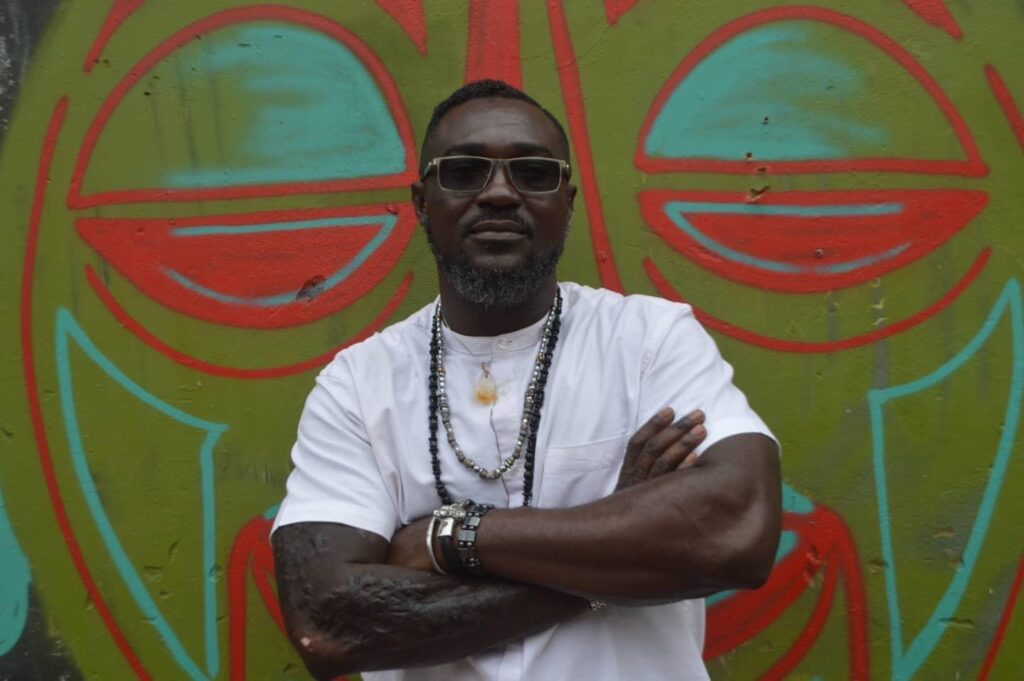
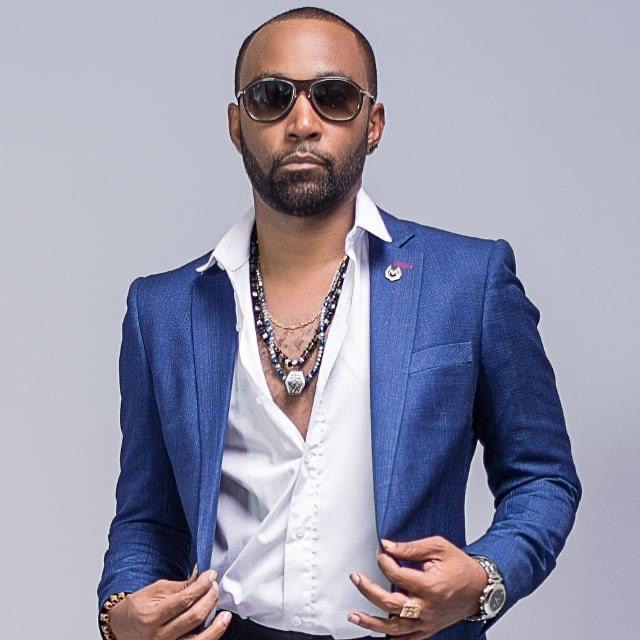
Talking Drums was a hip-life duo made up of rappers Kwaku T and Bayku. Their careers began when Ghanaian producer, Panji Annoff, discovered them at a talent showcase at the National Theatre in the early 90s. The trio began to work on music together, united by their joint philosophy of creating hip-hop music that tapped into their Ghanaian identity. In 1993, they released the first-ever hip-life song in Ghana, “Aden”, and soon after, Ghana’s first hip-life music video. This captured the attention of Ghanaians and allowed them to see their music and culture beyond what they were seeing at that time. The video featured the rap duo performing in batakaris (indigenous smocks) and holding talking drums dancing around a fire. Its main message communicated their frustrations with the stereotypes Africans face from the wider global community.
4. Zapp Mallet
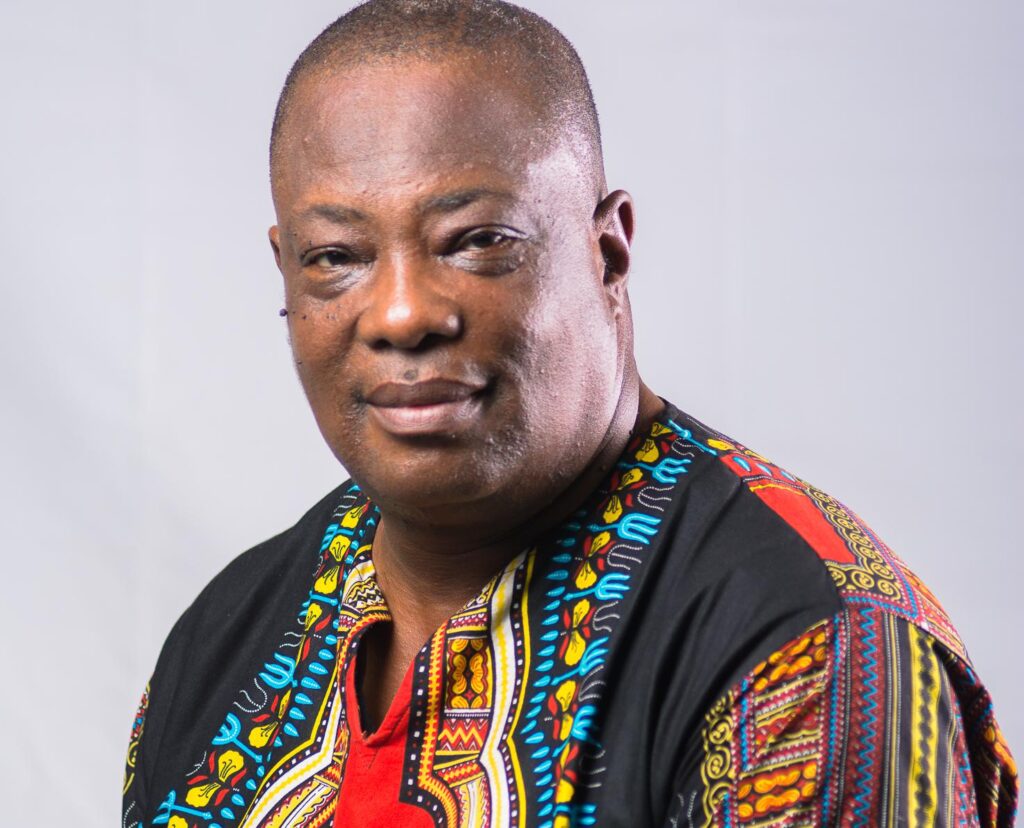
Zapp Mallet is a veteran Ghanaian sound engineer and producer who is known to have contributed to several iconic Ghanaian songs across various genres since the early 90s. He is also acknowledged as one of the pioneers of hip-life working with the likes of Lord Kenya, Obrafuor, and Lord Kenya. Versatile when it came to genres, he is known to have developed the sound of reggae/dancehall, gospel, Afropop, and highlife in Ghana. He holds the record for being the only recording engineer to win the Ghana Music Awards three consecutive times (1999, 2000, 2001).
Written by Anabel Rose Kubabom.